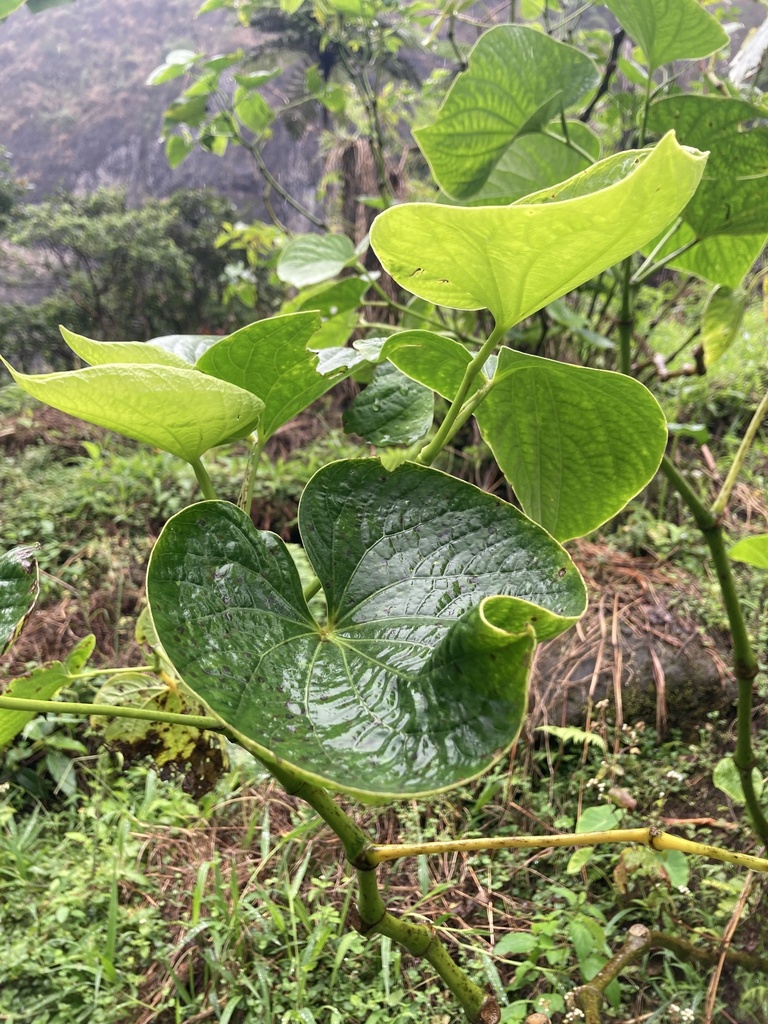
Overview
Kava is a Pacific Island member of the pepper family whose root has been shared for centuries as a ceremonial, relaxing drink. Its active compounds, called kavalactones, calm the mind and loosen tense muscles without dulling thought the way some sedatives can. It is a powerful plant with real liver-safety concerns, so it is best used short-term and with guidance.
Plant family
Piperaceae
Parts used
Rhizome and root (not the aerial stems or leaves).
Actions
Anxiolytic · Relaxant · Antispasmodic · Mild sedative · Anticonvulsant · Local anesthetic · Analgesic
Affinities
Nervous system · Liver (caution)
Body systems
Nervous
Taste profile
Earthy, slightly bitter, soapy and acrid (sharp and biting), leaving the tongue and lips tingly and numb.
Energetics
Warming at first, then cooling and relaxing.
Traditional use
Across the Pacific Islands, kava is a ceremonial and social drink that marks welcomes, agreements and gatherings. Traditional medicine also used it for urinary infections, asthma, colds, headaches, menstrual irregularity, warts, fungal infections and as a topical anesthetic. It was historically used for gonorrhea and cystitis.
Current use
Kava is used for short-term relief of mild anxiety, stress, nervous restlessness and trouble sleeping caused by tension. Germany's Commission E approved it in 1990 for these uses, and controlled trials of standardized extracts found it better than placebo for anxiety, including anxiety around menopause; one 2004 study even found improved mood and mental performance. It has been studied for easing the switch away from benzodiazepine medicines (under medical supervision only). Topically it numbs, and has been used as a mouthwash for canker sores and toothache and as a poultice for earaches and abscesses.
Preparation
The rhizome and root (the peeled underground parts) are used; the stems and leaves should not be, as they contain different compounds that may be more harmful to the liver. Traditionally the fresh or dried root is kneaded in cold water and strained, a water extract that is considered gentler than solvent extracts. It is also prepared as a simmered tea, tincture, fluid extract, chewed dried root, or standardized extract in capsules. Choose noble kava varieties from reputable sources, made from root only.
Dosage guidance
Dried rhizome: 1.5 to 3 g daily in divided doses. Tea: simmer 2 to 4 g of root in 150 mL of water for 5 to 10 minutes, up to three times daily. Fluid extract (1:2): 3 to 6 mL daily. Standardized products: about 60 to 120 mg of kavalactones daily (clinical trials used up to 210 mg). Please don't use it for more than one month without a qualified practitioner checking your liver function.
Cautions & contraindications
Please don't use kava during pregnancy or breastfeeding, with endogenous depression (depression that arises from within rather than from circumstances), with liver disease, or if you drink alcohol regularly. Don't combine it with alcohol, benzodiazepines, barbiturates, sleep aids or other sedating herbs. It may interact with many drugs processed by the liver's CYP450 enzymes and with dopamine-blocking drugs (some antipsychotics, metoclopramide). Stop it 2 to 3 weeks before surgery, and don't drive if it makes you drowsy. Heavy long-term use can cause a dry, scaly skin rash. Please stop and see a doctor if you notice fatigue, nausea, yellowing skin or eyes, or dark urine. Kava has been restricted or banned at times in several countries.
Why: kava has been linked to rare but serious liver injury. According to LiverTox, the exact mechanism is still unclear; it appears to be idiosyncratic, meaning it strikes unpredictably in a few susceptible people, possibly through an immune reaction. Contributing factors suggested by research include using stem and leaf material (which contains the alkaloid pipermethystine, toxic to liver cells in lab studies), solvent extracts, poor-quality varieties, and kavalactones slowing the liver enzymes that clear other drugs, so medicines and alcohol build up.
Evidence notes
From Winter's HERB304 notes (Natural Medicines Database-style monograph citing German Commission E and the American Botanical Council) and her Herb101 Piper methysticum Herbal Review (citing WHO monographs, Commission E, Singh 1992, Thompson et al. 2004, Volz & Kieser 1997). The Herb101 'Monograph Comparison Chart - Kava Kava' page actually contains hops notes and was not used.