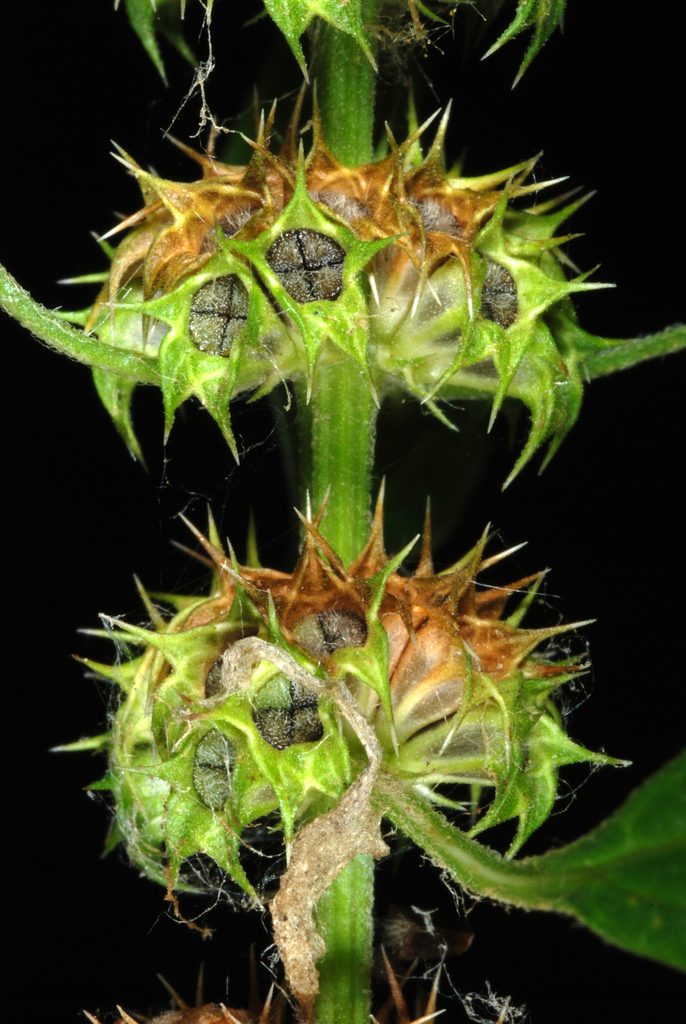
Overview
Motherwort's Latin name, Leonurus cardiaca, roughly means 'lion-hearted,' and herbalists describe it as giving heart and nerves the courage of a lion. A tall, square-stemmed member of the mint family, it was long called 'the herb of life.' It is a classic remedy for a heart that flutters with anxiety, for jangled nerves, and for the female reproductive cycle.
Plant family
Lamiaceae
Parts used
Flowering above-ground parts.
Actions
Nervine · Anxiolytic · Cardiac tonic · Antispasmodic · Emmenagogue · Hypotensive · Sedative · Astringent · Bitter · Oxytocic
Affinities
Heart · Nervous system · Uterus and reproductive system
Body systems
Cardiovascular · Nervous · Reproductive
Taste profile
Very bitter, from its bitter principle (leonurine), and somewhat pungent.
Energetics
Cooling and drying.
Traditional use
An old saying promised that drinking motherwort would let one 'live to be a source of continuous astonishment and grief to waiting heirs.' It was traditionally used to tone the whole reproductive system, regulate menstruation, strengthen the contractions of labor and help deliver the placenta, and for mastitis. It was also used for fevers, flatulence, diarrhea (thanks to its tannins), kidney weakness, angina, an intermittent pulse and asthma.
Current use
Motherwort is used to ease anxiety, nervousness and tension, to calm palpitations and a racing heart when they come from nerves (ESCOP recognizes it for nervous heart complaints), to support healthy blood pressure, and for restless sleep. It is used for menstrual cramps, delayed or absent periods, PMS and menopausal symptoms such as hot flashes and irritability, and for mothers through the emotional strain of new or 'empty-nest' motherhood. A 2015 study found its extracts and its alkaloid leonurine interact with GABA receptors, the brain's calming system, and laboratory work suggests protective, antioxidant effects on heart cells. Herbalists compare its calming effect to valerian.
Preparation
The flowering above-ground parts are used, harvested as the plant blooms. Because it is very bitter, it is most often taken as a tincture; it can also be made as an infusion (tea), often blended with tastier herbs such as lemon balm or linden. It grows easily from seed in sun or part shade and self-sows readily.
Dosage guidance
Infusion: about 1 to 2 g (1 to 2 teaspoons) of dried herb per cup, up to three times a day (ESCOP daily dose about 4.5 g). Tincture (1:5): about 2 to 4 mL up to three times daily. Please work with a practitioner if you take heart or blood pressure medication.
Cautions & contraindications
Please avoid motherwort during pregnancy because it can stimulate uterine contractions; it is used only at the end of pregnancy and in labor, under a qualified practitioner. Avoid it with heavy periods or bleeding disorders, as it may increase menstrual flow. Use caution with sedatives, heart medications (including digoxin), blood pressure medicines and blood thinners, as effects may add up. Large amounts can cause diarrhea, stomach upset and uterine bleeding. Skin contact with the fresh plant has rarely caused sensitivity.
Why: its alkaloid stachydrine (and leonurine) has an oxytocic action, meaning it acts somewhat like the hormone oxytocin and makes the uterine muscle contract. That is helpful for delivering the placenta but could trigger miscarriage or preterm labor earlier in pregnancy.
Evidence notes
From Winter's HERB303 notes (M2 - Emmenagogues), including monograph and study summaries (2015 study on GABA activity; in vitro cardioprotection research).