Overview
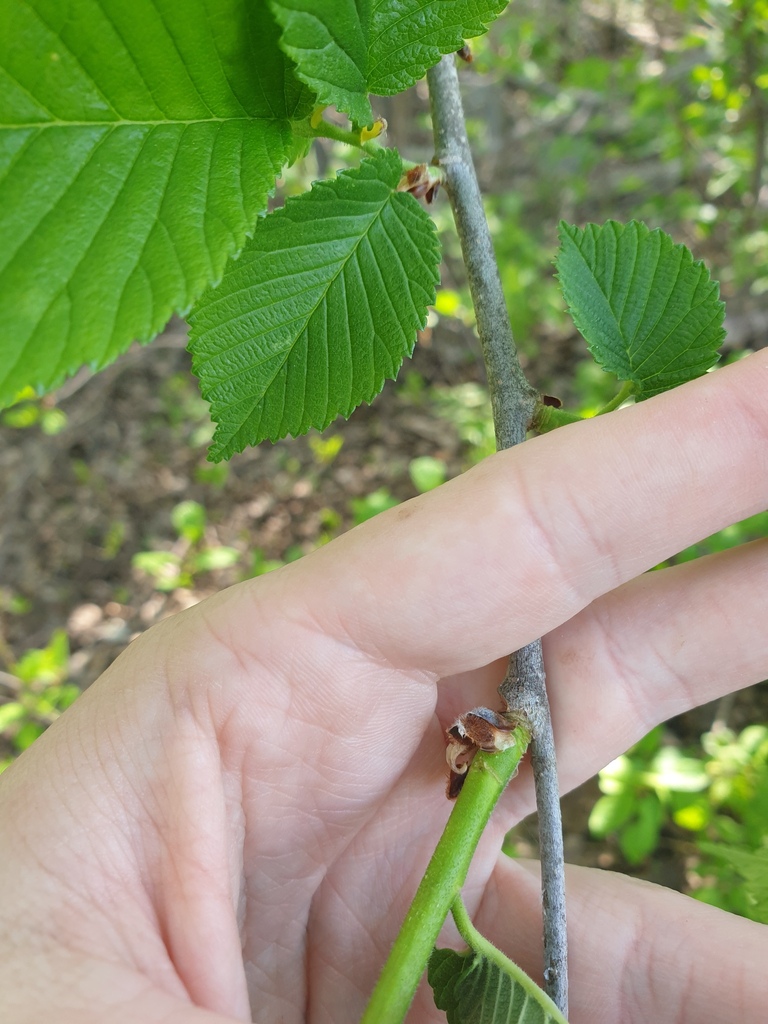
Slippery elm is a North American tree whose inner bark turns silky and soothing when mixed with water, which is how it got its name. It is one of the most valued demulcents in herbalism, meaning an herb that coats and calms irritated, inflamed tissue, and I genuinely love it. It is a comforting remedy for scratchy throats, coughs and tender, upset digestion, and a gentle, nourishing food in times of illness.
Plant family
Ulmaceae
Parts used
Inner bark
Actions
Demulcent · Emollient · Nutritive · Antitussive · Expectorant · Anti-inflammatory · Antioxidant · Astringent · Vulnerary
Affinities
Throat · Stomach and intestines · Skin
Body systems
Digestive · Respiratory · Integumentary · Urinary
Taste profile
Mild, slightly sweet and earthy, with a smooth, slippery, mucilaginous feel.
Energetics
Cooling and moistening.
Traditional use
Native Americans and later Eclectic physicians used slippery elm for digestive upsets, gastritis (inflamed stomach), ulcers, colitis, enteritis and soothing diarrhea, and also for constipation; for sore throats, coughs, bronchitis and pneumonia, where it soothes the airways and was said to help absorb excess mucus; and as a food for weak, sick children and anyone recovering from illness, cooked into a nourishing porridge or gruel. Externally it was used as a poultice for wounds, burns, boils, abscesses, external ulcers, eczema and skin eruptions, and for vaginal irritation. It was also given to ease childbirth.
Current use
Slippery elm is one of my favourite remedies for irritable bowel syndrome (IBS) and general digestive upset. Its mucilage, a gel-like soluble fibre, coats and soothes inflamed linings from the throat to the colon. It is found in throat lozenges and teas for sore throats and coughs; these soothing herbs are not numbing, but they relieve irritation, and because the effect lasts less than about 30 minutes, sipping often through the day works best. In a small pilot study, an IBS formula containing slippery elm with lactulose, oat bran and licorice improved both bowel habits and symptoms in people with constipation-type IBS, and a formula with bilberry, agrimony and cinnamon eased symptoms in diarrhea-type IBS. A laboratory study found it has antioxidant activity relevant to inflammatory bowel disease, and a small study of a psoriasis diet that included slippery elm water reported improvement. These studies are small, but they fit its long traditional reputation.
Preparation
Only the inner bark is used, dried and powdered. Fine powder can be stirred into warm water, milk or applesauce as a soothing drink or porridge, or simmered as a decoction (about one part powdered bark to eight parts water, simmered gently for 10 to 15 minutes). It is also made into lozenges and capsules. For a poultice, coarse powder is mixed with freshly boiled water, or with chamomile tea, into a paste and spread on the skin, then covered. Commercial harvesting often kills the trees, so please choose cultivated, sustainably sourced bark, or consider alternatives such as marshmallow root.
Dosage guidance
Powder: about 1 to 2 teaspoons (roughly 4 g) stirred into a cup of warm water, up to three times a day, with plenty of fluid. Decoction: 1 part powder to 8 parts water, simmered 10 to 15 minutes. Lozenges: as directed on the label, sucked frequently for a sore throat. Please take it at least two hours apart from medicines and supplements.
Cautions & contraindications
Please use only the inner bark: whole bark pieces were historically used to cause abortion, so please avoid slippery elm in pregnancy unless your practitioner advises otherwise. Its mucilage, the slippery coating it forms, may slow or reduce the absorption of medicines taken at the same time, so take it at least two hours apart from other medicines. Please take it with plenty of water. Allergic reactions are possible, especially in people sensitive to elm pollen. Tell your providers about any supplements you use. Wild trees are under pressure, so please choose sustainable sources.
Evidence notes
HERB302 demulcent-herbs page holds only name and family. Web-sourced seed pending Winter's review. Sources: MSKCC About Herbs, Slippery Elm (https://www.mskcc.org/cancer-care/integrative-medicine/herbs/slippery-elm); Plants For A Future (https://pfaf.org/user/Plant.aspx?LatinName=Ulmus+rubra)