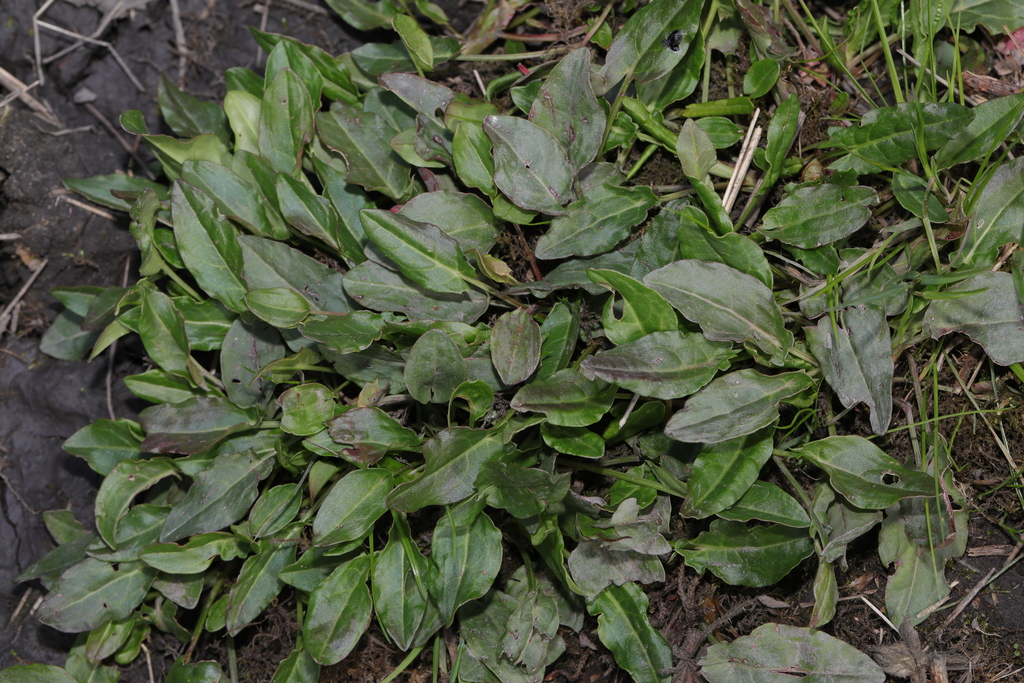
Overview
Sorrel is a leafy garden green with a bright, lemony tang that comes from its natural oxalic acid and vitamin C. It has long been enjoyed raw in salads and soups and as a spring tonic, and it is best known herbally for soothing irritated nasal passages and supporting the respiratory tract. It is one of the herbs in a well-known European sinus formula.
Plant family
Polygonaceae
Parts used
Leaves (main part); flowers and seeds as food; root as an astringent infusion.
Actions
Astringent · Diuretic · Refrigerant · Antiscorbutic · Hemostatic · Laxative
Affinities
Nasal passages and sinuses · Respiratory tract
Body systems
Respiratory · Urinary · Digestive
Taste profile
Sour, lemony and slightly astringent.
Energetics
Cooling (a refrigerant, meaning it cools the body) and drying.
Traditional use
Sorrel was eaten raw as a salad green and used as a cooling spring tonic, to prevent scurvy thanks to its vitamin C, as a gentle diuretic (something that increases urine flow), as a remedy for loose stools, and to soothe irritated nasal passages and to stimulate secretions. A root infusion was used as an astringent (tightening and toning tissue) and to help stop bleeding, and the leaves were cooling in fevers.
Current use
Sorrel can be useful for acute and chronic inflammation of the nasal passages, sinuses and respiratory tract, usually as part of a blend. It is one of five herbs in the European formula Sinupret (with gentian root, elder flower, verbena and cowslip flower), which in clinical trials improved acute sinusitis alongside antibiotics and decongestants and performed as well as common expectorants in acute bronchitis; the effect of sorrel alone has not been tested. It is also an ingredient in the blend known as Essiac, promoted for cancer, but there is no good evidence that Essiac works. Lab studies suggest antimicrobial activity and possible immune effects of a sorrel polysaccharide. High-quality research on sorrel itself is limited.
Preparation
The leaves are the main part used, eaten fresh or dried, raw or cooked; cooking lowers their oxalic acid. Young leaves are best in spring and again after the plant is cut back from flowering. The flowers can be cooked or used as a garnish. The root is prepared as an infusion when an astringent, blood-staunching effect is wanted. Medicinally, sorrel is used mostly within combination formulas.
Dosage guidance
Sorrel is used mainly within combination formulas, so it is best to follow formula-specific doses rather than a single-herb dose (for example, Sinupret drops: 50 drops three times daily; Sinupret tablets as labelled). As a food, moderate amounts of cooked leaves are fine for most people.
Cautions & contraindications
Please use sorrel cautiously if you have a history of kidney stones (AHPA Class 2d). Its oxalic acid binds calcium and other minerals in the gut and blood to form insoluble calcium oxalate crystals; in large amounts this can lower calcium levels, reduce mineral absorption and allow crystals to build up as kidney stones, and very large amounts have caused fatal poisoning, so please don't eat big quantities of raw leaves or use it long term. Cooking reduces the oxalate. Please avoid it if you have kidney disease, gout or rheumatoid arthritis, and avoid medicinal amounts in pregnancy and breastfeeding. The leaves are high in tannins (7 to 15 percent), which in large amounts may upset the stomach. Sorrel also contains small amounts of anthraquinones (such as emodin), the same family of compounds that make senna laxative by irritating the colon, so excess may loosen the bowels. Please don't confuse sorrel with wood sorrel or yellow dock.
Evidence notes
From Winter's HERB304 notes, citing Grieve (A Modern Herbal), Bown, Lust (The Herb Book), Plants for a Future, and clinical studies on Sinupret (Ernst; Neubauer and März).