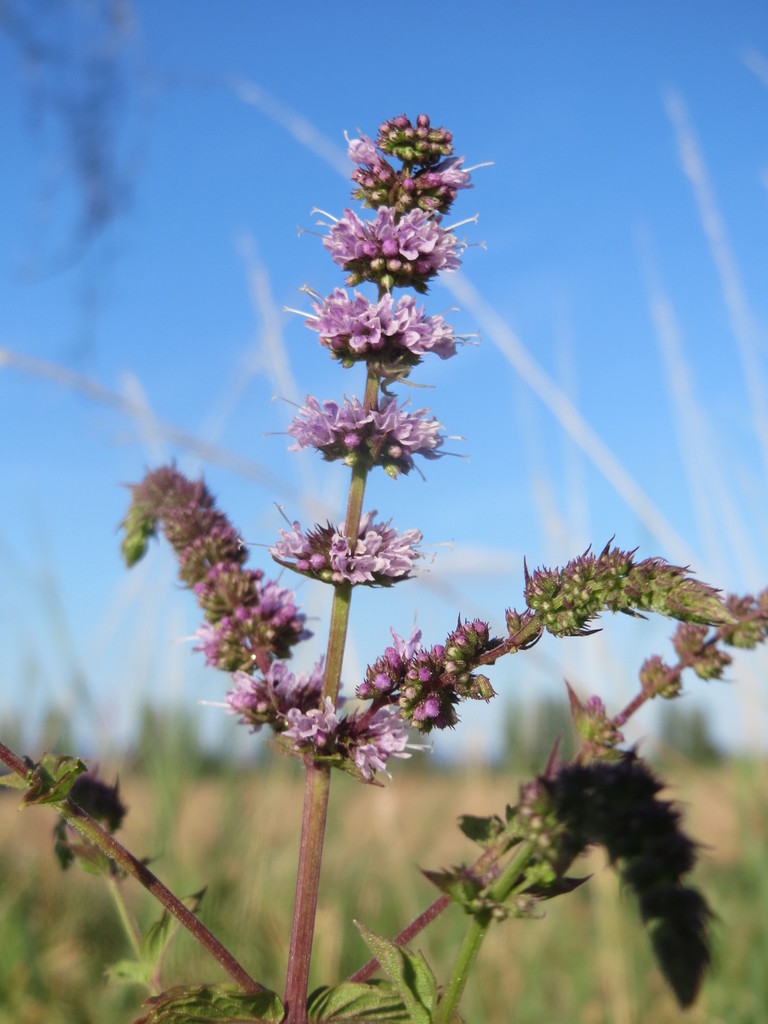
Overview
Spearmint is the sweet, gentle cousin of peppermint, and its fresh flavour makes a lovely everyday tea. It is a soothing digestive herb for a settled stomach and a lifted mood. I use it as a corrigent, meaning an herb added to a blend to improve its flavour and make bitter or earthy remedies easier and more pleasant to take.
How it compares: Spearmint and peppermint can often replace each other in a tea, but they behave differently. Spearmint's oil is mostly carvone with very little menthol, so it is sweeter, milder and better as a flavouring, for children and for sensitive stomachs. Peppermint's menthol makes it stronger for cramping, IBS, headache and nausea. Spearmint is the one with evidence for lowering androgens in women with PCOS. Pennyroyal looks and smells mint-like but contains toxic pulegone and is never a substitute.
Plant family
Lamiaceae
Parts used
Leaves and flowering tops; essential oil.
Actions
Carminative · Antispasmodic · Antiemetic · Aromatic · Stomachic · Diaphoretic · Antiandrogenic · Corrigent
Affinities
Stomach
Body systems
Digestive
Taste profile
Sweet, pleasant and refreshing.
Energetics
Cooling, gentler and slightly warmer than peppermint.
Traditional use
Traditionally, spearmint tea was used to support digestion and ease gas, colic, nausea and vomiting, hiccups, headaches and fevers, and it was considered gentle enough for children and pregnancy in food amounts. The crushed plant was laid on bruises, stings and itchy skin.
Current use
Spearmint is widely used in teas, foods and oral care. As a corrigent it rounds out medicinal blends, much as licorice, fennel, cinnamon and cardamom do. Small clinical studies suggest that drinking two cups of spearmint tea a day may lower free testosterone and reduce unwanted hair growth in women with PCOS, and it is used in holistic PCOS protocols for that reason. A small trial also found spearmint capsules helped bloating and discomfort in IBS. Its main aroma compound, carvone, has shown antispasmodic and calming effects in research.
Preparation
A hot infusion (tea) of the fresh or dried leaf, either on its own or added in small amounts to other blends to improve the taste. A poultice (moist pack) of crushed leaves and stems for the skin. The essential oil is used diluted in aromatherapy and is around 350 times more concentrated than the herb.
Dosage guidance
Tea: 1 teaspoon of dried leaf per cup, a cup two to three times a day; as a corrigent, a small proportion of a blend. For PCOS, studies used two cups a day for one month. Please do not swallow the essential oil.
Cautions & contraindications
Spearmint tea is generally safe. In food and tea amounts it is fine in pregnancy (up to about three cups a day); avoid concentrated or medicinal doses. Because of its anti-androgen effect, men with low testosterone or couples trying to conceive may want to avoid large daily amounts. Like other mints it can worsen heartburn in some people. The essential oil is high in carvone and can irritate skin; dilute it and never take it internally.
Evidence notes
Winter's HERB303 page holds only the course template (name, Latin, family). Web-sourced seed pending Winter's review. Sources: Plants For A Future (https://pfaf.org/user/Plant.aspx?LatinName=Mentha+spicata); Wikipedia: Spearmint (https://en.wikipedia.org/wiki/Spearmint)