Overview
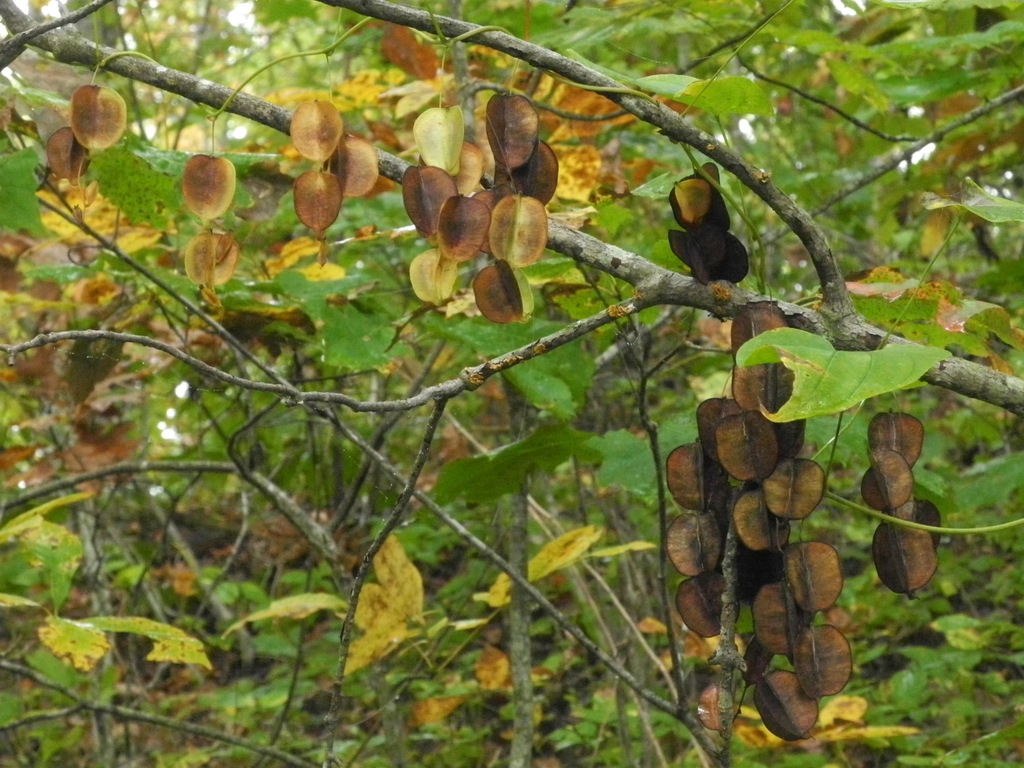
Wild yam is a twining woodland vine of eastern North America with a knobby, woody root. The root is a classic antispasmodic, meaning it helps relax muscle spasms, and its old names, colic root and rheumatism root, tell its traditional story. It is also famous as an early raw material for making hormones in the laboratory, which has led to some myths worth clearing up.
Plant family
Dioscoreaceae
Parts used
Root and rhizome (dried).
Actions
Antispasmodic · Anti-inflammatory · Cholagogue · Diaphoretic · Hepatic · Antirheumatic · Relaxant
Affinities
smooth muscle · uterus · gall bladder
Body systems
Digestive · Reproductive · Musculoskeletal
Taste profile
Bitter, slightly acrid (sharp) and earthy.
Energetics
Slightly warming and relaxing; moistening to neutral.
Traditional use
Traditionally the root was used to ease intestinal colic and cramping, gas, nausea and gallbladder discomfort, menstrual cramps and uterine pain, and muscle spasm and rheumatic joint aches. Eclectic physicians used it for bilious colic, and it appears in my studies among antispasmodics for wringing colic pains (with ginger, caraway and valerian), among general herbs for rheumatism and arthritis, and among herbs for glandular imbalance. It was also traditionally used to help relieve nausea in pregnancy, though it is no longer recommended for that.
Current use
Wild yam is sold today as capsules and creams marketed for menopausal symptoms and as a natural progesterone. The evidence does not support that: a small controlled trial of wild yam cream found no meaningful effect on menopausal symptoms, and the body cannot turn wild yam's diosgenin into progesterone or other hormones (that conversion happens only in a laboratory). Herbalists value it instead for its antispasmodic action on the smooth muscle of the gut, uterus and bile ducts.
Preparation
The dried root and rhizome are used, simmered as a decoction (a tea simmered rather than steeped, since the root is woody) or taken as a tincture or capsule. It combines well with cramp bark, ginger or chamomile for cramps and colic. Topical creams exist, but I would not rely on them for hormonal effects.
Dosage guidance
My sources give no single established dose. Traditional references describe roughly 2 to 4 g of dried root as a decoction, or 2 to 4 mL of tincture, up to three times a day. Please work with a qualified practitioner, especially if you have any hormonal condition, and avoid long-term use.
Cautions & contraindications
Please avoid wild yam during pregnancy and breastfeeding. Because some products are marketed as hormonal, and because its effects on hormone-sensitive conditions (breast, ovarian, uterine or prostate cancer, endometriosis, fibroids) are not well studied, please avoid it with those conditions or ask your doctor. Large doses or the fresh root can cause nausea and vomiting, and headaches, menstrual changes and acne have been reported. In a rat study, wild yam extract given for four weeks increased kidney scarring (fibrosis) and liver inflammation, so long-term use is best avoided, and please don't use it if you have kidney disease. The body does not convert wild yam into progesterone.
Evidence notes
Winter's HERB303 page holds only names, family and course resource links.
Web-sourced seed pending Winter's review. Sources: MSKCC About Herbs: Wild Yam (https://www.mskcc.org/cancer-care/integrative-medicine/herbs/wild-yam); Plants For A Future (https://pfaf.org/user/Plant.aspx?LatinName=Dioscorea+villosa)