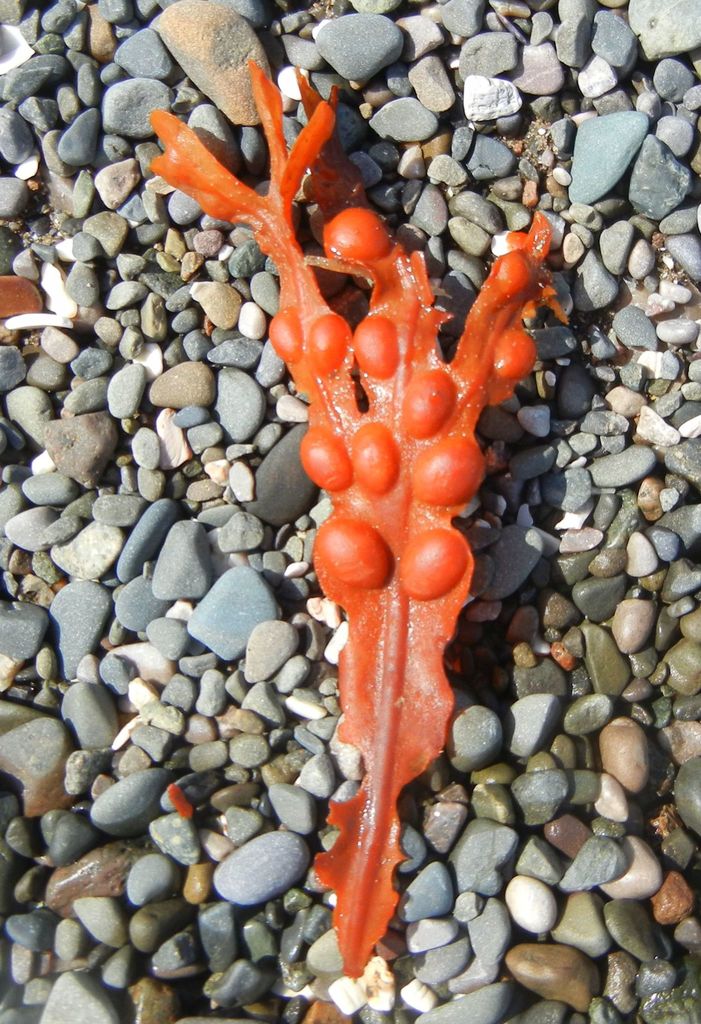
Overview
Thyroid support only in the context of iodine deficiency (variable iodine content makes this clinically tricky); supportive ‘alterative’/metabolic support sometimes marketed for weight loss (evidence limited). Symptom-support list in text includes obesity, arthritis/rheumatism, digestive complaints, constipation, bronchitis/emphysema, anxiety, and skin conditions/burns/insect bites (traditional-style list).
Plant family
Fucaceae
Parts used
Thallus (whole plant)
Actions
Alterative · Antimicrobial
Affinities
Immune · Cardiovascular
Body systems
Immune · Cardiovascular
Taste profile
Mucilaginous, salty
Tissue states
Traditional use
Historical iodine therapy for thyroid hypofunction (no longer commonly used due to variability). Folk ‘blood cleansing’ and broad constitutional use lists include arteriosclerosis, genitourinary disorders, anxiety, skin disease, burns, and insect bites.
Current use
Thyroid support only in the context of iodine deficiency (variable iodine content makes this clinically tricky); supportive ‘alterative’/metabolic support sometimes marketed for weight loss (evidence limited). Symptom-support list in text includes obesity, arthritis/rheumatism, digestive complaints, constipation, bronchitis/emphysema, anxiety, and skin conditions/burns/insect bites (traditional-style list).
Preparation
Tea, liquid extract
Dosage guidance
Tea: 5-10 g plant in 150 mL boiling water, steep 5-10 min, strain, 3x daily. Liquid extract (1:1): 4-8 mL 3x daily.
Cautions & contraindications
UNSAFE with hyperthyroidism, hypothyroidism, or autoimmune thyroid disease. Contains 0-600 mcg iodine per gram; consistent use may cause hyperthyroidism, hypothyroidism, goiter, or myxedema. Normal daily iodine: 100-200 mcg. May increase bleeding risk with antiplatelet herbs. Potentially high heavy metal contamination — not recommended during pregnancy/breastfeeding. Avoid with Fucaceae allergies.
Evidence notes
Text notes bladderwrack is no longer used as iodine therapy clinically due to highly variable iodine content and absorption. Research as of the 2020 text is largely preclinical for anticancer/anticoagulant/antioxidant/antibacterial claims with lack of reliable human studies; small pilot suggests possible anti-estrogenic effects (needs trials). Heavy metal/iodine safety is a major limiting factor.