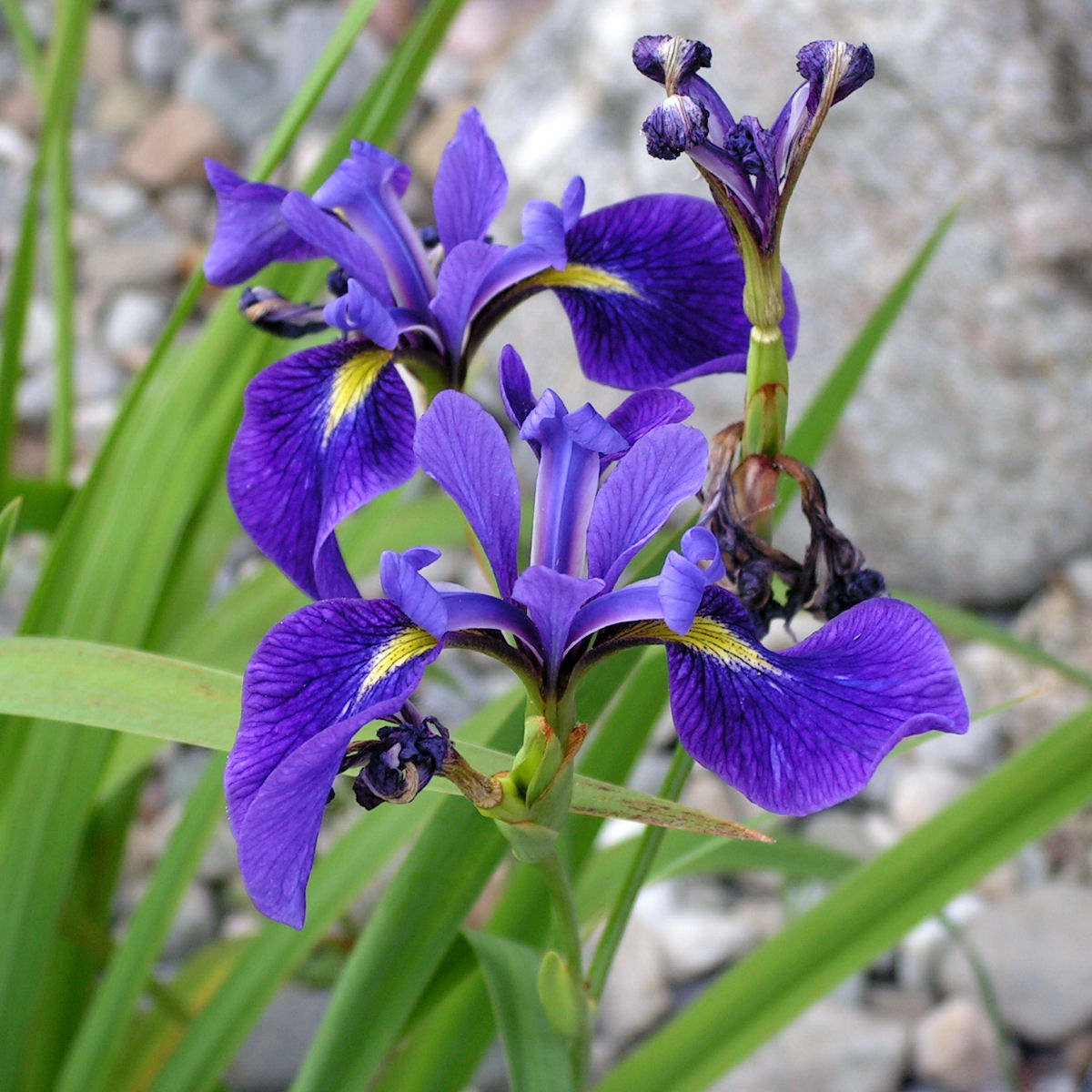
Overview
Primarily topical: skin conditions such as impetigo, eczema, psoriasis (as described). Traditional ‘detoxification’ framing via increased urination/bile and laxative effects is mentioned, but internal use is strongly safety-limited per page warning.
Plant family
Iridaceae
Parts used
Rhizome
Actions
Diuretic · Alterative
Affinities
Digestive · Integumentary
Body systems
Digestive · Integumentary
Taste profile
Pungent, quite unpleasant
Tissue states
Traditional use
Historically used (dried root) as emetic, cathartic/purgative, diuretic, and for ‘blood purifying’/depurative approaches in skin disorders, dropsy/edema, scrofula, and syphilis (as listed). Leaves/flower preparations also listed traditionally for constipation and intestinal worms.
Current use
Primarily topical: skin conditions such as impetigo, eczema, psoriasis (as described). Traditional ‘detoxification’ framing via increased urination/bile and laxative effects is mentioned, but internal use is strongly safety-limited per page warning.
Dosage guidance
POSSIBLY UNSAFE when ingested (may cause vomiting, catharsis, gastroenteritis, death). Possibly safe in homeopathic doses short-term and topically in small amounts. FRESH rhizome: topical ONLY, never internal. Poisonous stings/bites: Boil 1 oz powdered root + 1 tsp vinegar in 1 pint water; drink 1/2 cup hourly until symptoms gone. Fluid extract: 1-2 mL 3x daily. Tincture: 1-5 mL 3x daily.
Cautions & contraindications
Contraindicated with Iridaceae allergies. Avoid large oral doses with neurological/CNS disorders (may cause neuralgic pain). Avoid in pregnancy, breastfeeding, and children. Contains iridin (oleoresin) — poisonous to livestock, causes nausea/severe discomfort in humans. Several poisonings reported. Furfural (volatile oil) irritates mucous membranes — eye watering, inflammation, throat irritation, headache. May not be appropriate for internal use. Can increase potassium depletion risk with stimulant laxative herbs. AHPA: Class 2b.
Evidence notes
Page includes strong toxicity cautions (iridin/oleoresin; furfural irritant) and states no reliable human trials demonstrate safety or efficacy; fresh rhizome topical-only. This is a ‘use with extreme caution’ herb in the database.