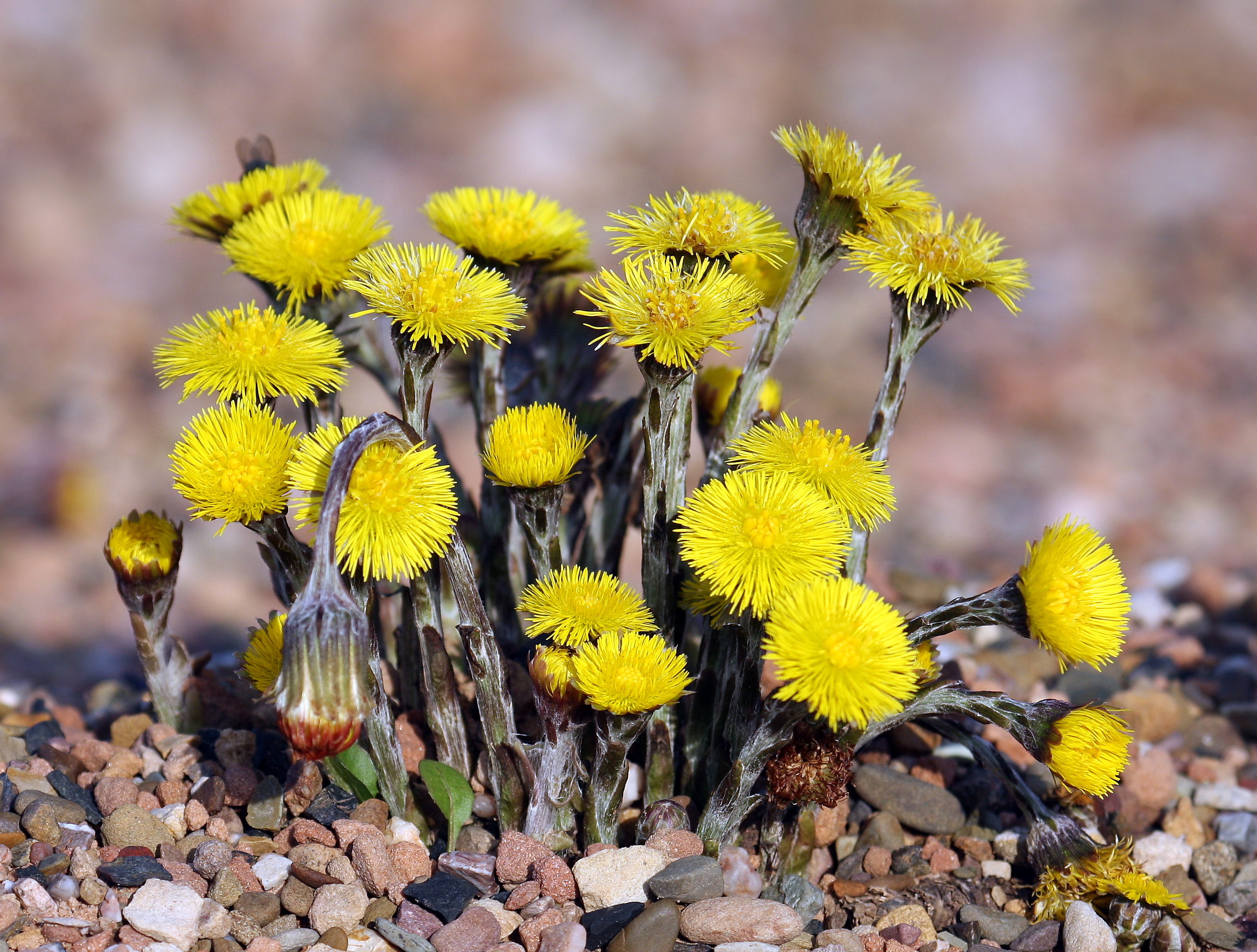
Overview
Acute respiratory tract mucous membrane inflammation with cough; hoarseness; acute oral/pharyngeal mucosa inflammation; asthma, bronchitis, laryngitis, pleurisy; sore throat; inhalant for cough/wheezing.
Plant family
Asteraceae/Compositae
Parts used
Flower and leaf
Actions
Demulcent · Expectorant · Tonic
Affinities
Respiratory
Body systems
Respiratory
Taste profile
Somewhat mucilaginous and sweet; odor slight
Tissue states
Traditional use
Traditional “cough dispeller”; smoking leaves historically recommended by some authors for cough; used for asthma/bronchitis-type patterns.
Current use
Acute respiratory tract mucous membrane inflammation with cough; hoarseness; acute oral/pharyngeal mucosa inflammation; asthma, bronchitis, laryngitis, pleurisy; sore throat; inhalant for cough/wheezing.
Preparation
Tea/infusion; also used as an inhalant (per course text).
Dosage guidance
No typical dosage listed in course text. Duration limit (Commission E): do not use >4–6 weeks per year.
Cautions & contraindications
Contains unsaturated pyrrolizidine alkaloids (UPAs): hepatotoxic/hepatocarcinogenic risk; repeat exposure linked to hepatic veno-occlusive disease. Avoid combining with other PA-containing hepatotoxic herbs (e.g., comfrey, borage, butterbur, groundsel/Senecio spp., hound’s tongue, etc.). Caution with bleeding risk when combined with platelet-aggregation affecting herbs/supplements. AHPA classes noted in text: 2b (avoid pregnancy), 2c (avoid nursing), 2d (avoid long-term).
Evidence notes
Course text highlights mucilage/inulin plus flavonoids, phenolic acids, and tussilagone. Notes research in asthma/convalescence contexts and tussilagone’s cardiovascular/respiratory stimulant activity in lab settings; major limiting factor is PA toxicity risk.