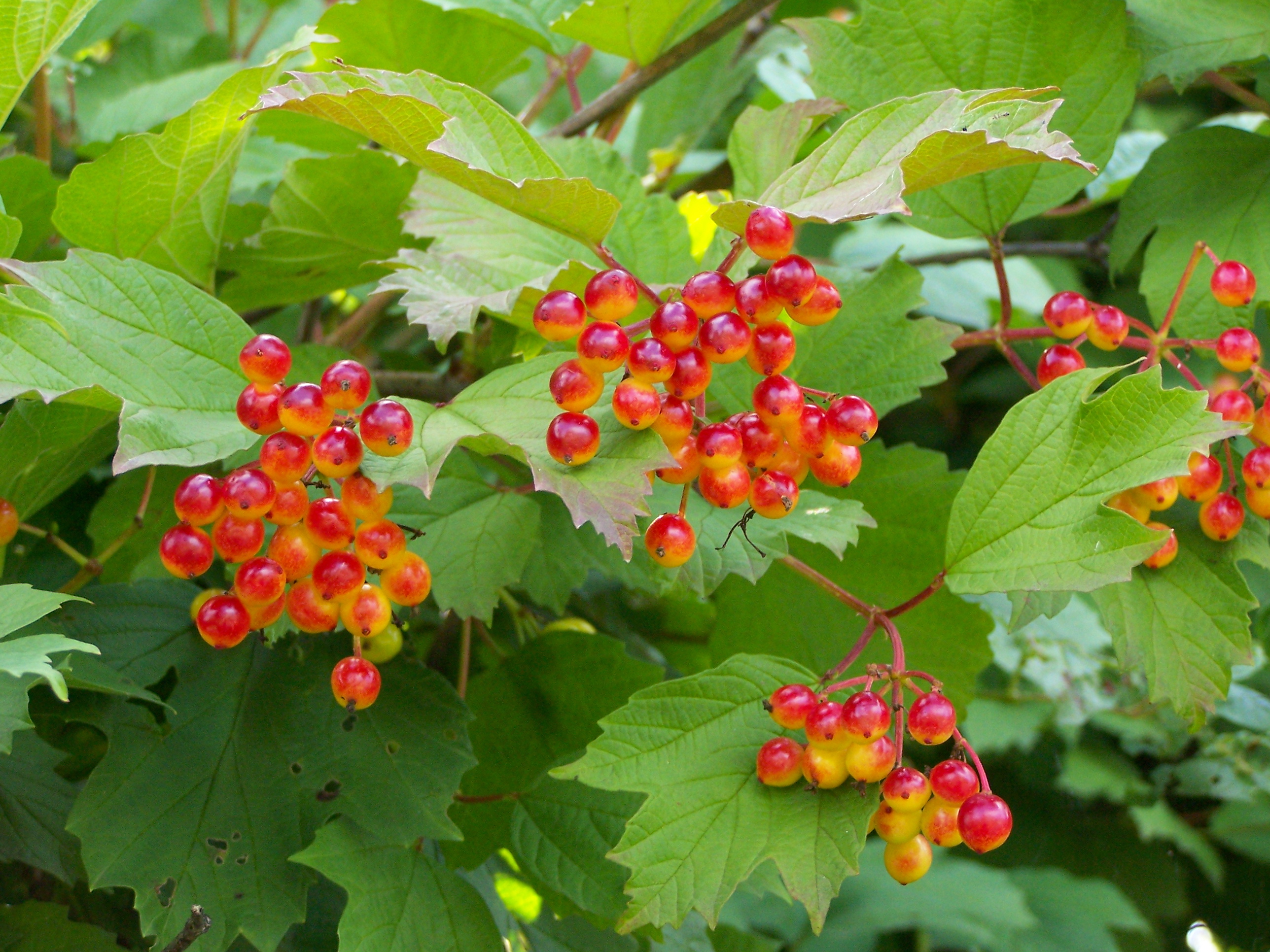
Overview
Antispasmodic for a variety of cramps and spasms. Effective with neuralgic or spasmodic dysmenorrhea (per text).
Plant family
Caprifoliaceae
Parts used
Root and bark
Actions
Antispasmodic · Tonic · Anti-inflammatory
Affinities
Reproductive · Musculoskeletal · Digestive
Body systems
Reproductive · Musculoskeletal · Digestive
Tissue states
Traditional use
Traditionally used for menstrual cramps and other cramping patterns; also noted for arthritis-related cramps (per text).
Current use
Antispasmodic for a variety of cramps and spasms. Effective with neuralgic or spasmodic dysmenorrhea (per text).
Preparation
Typically prepared as decoction/tincture in practice; course text notes no standardized dosage.
Dosage guidance
No standardized dosage for cramp bark (per text).
Cautions & contraindications
Contraindicated during pregnancy and breast-feeding (due to lack of safety information). Avoid with known allergy to Viburnum opulus, its active constituents, or Caprifoliaceae.
Evidence notes
Course text highlights viopudial (in vitro antispasmodic effects) and antioxidant/gastroduodenoprotective findings from animal studies.