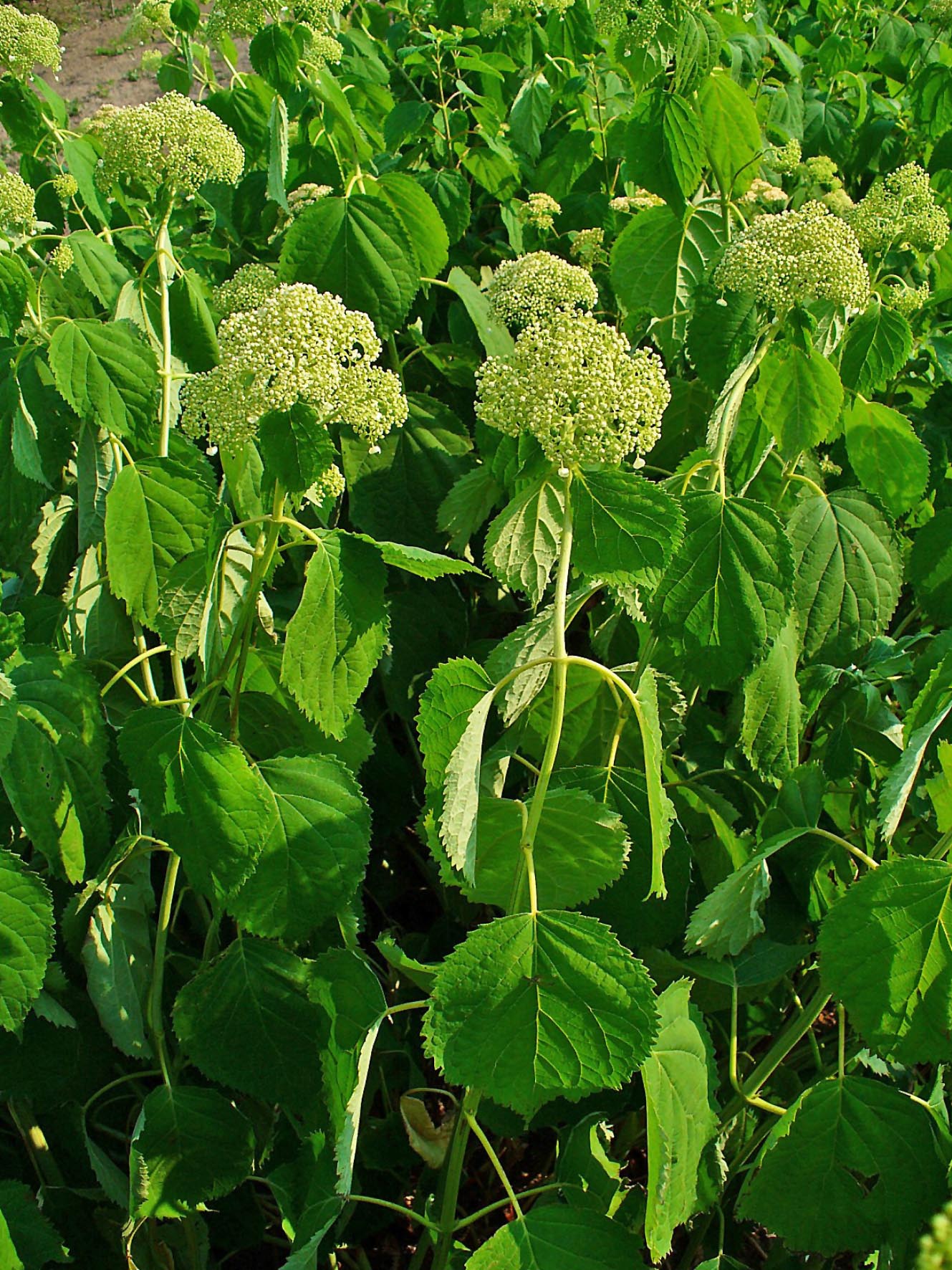
Overview
Urinary tract support: cystitis, urethritis, urinary calculi (kidney stones/gravel), prostatitis/enlarged prostate (as listed). Also listed: allergic rhinitis (oral).
Plant family
Hydrangeaceae
Parts used
Rhizome and root
Actions
Diuretic
Affinities
Urinary
Body systems
Urinary
Tissue states
Traditional use
Cherokee and TCM-associated traditional use for urinary tract disorders including kidney stones (as described). Homeopathic uses listed include bladderstone, catarrh, diabetes, gravel, incontinence, and prostatic ailments.
Current use
Urinary tract support: cystitis, urethritis, urinary calculi (kidney stones/gravel), prostatitis/enlarged prostate (as listed). Also listed: allergic rhinitis (oral).
Preparation
Tea, liquid extract, tincture
Dosage guidance
Dried rhizome/root: 2-4 g OR 1 cup tea 3x daily (steep 2-4 g in 150 mL boiling water 5-10 min, strain). Liquid extract (1:1 in 25% alcohol): 2-4 mL 3x daily. Tincture (1:5 in 45% alcohol): 2-10 mL 3x daily. Excessive amounts may be unsafe long-term (more than 2 g dried rhizome/root per dose).
Cautions & contraindications
Contraindicated with Hydrangeaceae allergies. Safety not established for pregnancy/breastfeeding — avoid use. Can cause contact dermatitis. Constituent hydrangin may cause gastroenteritis. Flowers and leaves may cause toxic symptoms due to cyanogenic glycoside hygrangin. FDA: Herb of Unidentified Safety.
Evidence notes
Page notes human clinical trials are limited and studies supporting urinary tract use are lacking; much of the research cited is in vitro/animal (including unrelated areas like antifungal/antihyperglycemic/antimalarial and male pattern baldness). Safety concerns include cyanogenic glycosides in leaves/flowers and FDA ‘Herb of Unidentified Safety.’