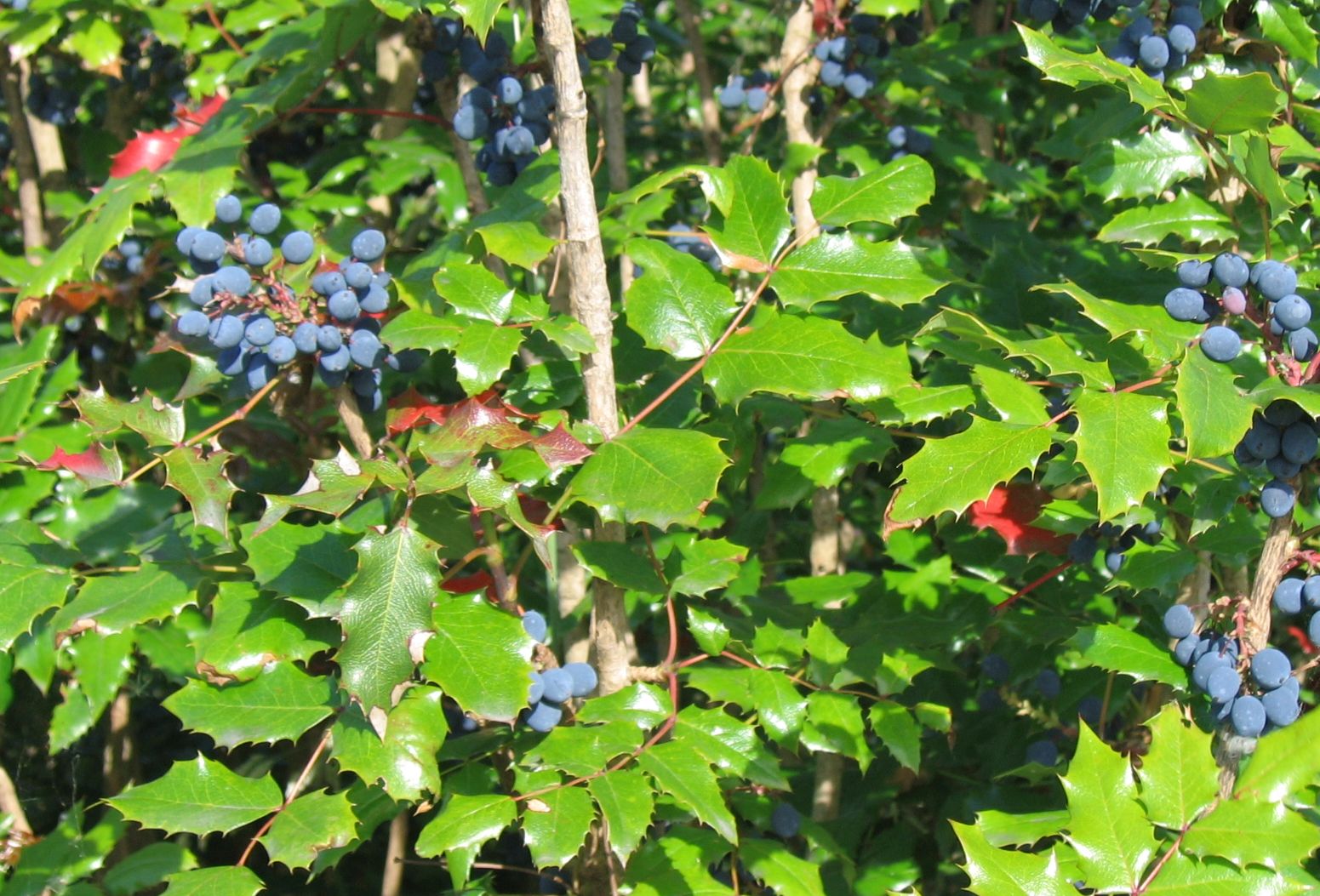
Overview
Oral: peptic ulcers, GERD, stomach upset; bitter/alterative support; infections (bacterial/fungal) as noted. Topical: psoriasis (10% extract cream 2–3x daily per dosage notes); disinfectant use noted.
Plant family
Berberidaceae
Parts used
Rhizome, root, bark, fruit
Actions
Antimicrobial · Bitter · Alterative
Affinities
Digestive · Integumentary
Body systems
Digestive · Integumentary
Tissue states
Traditional use
California Native American use: decoction as appetite stimulant. Historical use list includes gall/urinary passages issues, cholecystosis, diarrhea, dyspepsia, dysuria, fever, gravel, leucorrhea, uterosis; homeopathic note: bark for psoriasis/skin and ‘uric acid diathesis.’
Current use
Oral: peptic ulcers, GERD, stomach upset; bitter/alterative support; infections (bacterial/fungal) as noted. Topical: psoriasis (10% extract cream 2–3x daily per dosage notes); disinfectant use noted.
Preparation
Decoction/tea; tincture; topical cream (psoriasis).
Dosage guidance
Tea: berries 1–2 tsp in 150 mL boiling water (10–15 min) OR root bark 2 g in 250 mL boiling water (5–10 min). Tincture (1:10): 20–30 drops/day. Psoriasis: 10% extract cream 2–3x daily.
Cautions & contraindications
Berberine-containing herbs: avoid in pregnancy and breastfeeding (kernicterus risk). Topical extract may cause itching/burning/irritation/allergic reactions. Use caution with narrow therapeutic window medications (CYP3A4 inhibition noted; cyclosporine example).
Evidence notes
Contains berberine and other alkaloids; broad antimicrobial activity noted. Psoriasis evidence note on page: 10% Oregon grape extract cream may reduce severity and improve quality of life. Drug interaction caution noted (CYP3A4 inhibition; ‘treat similarly to grapefruit’ in notes). Avoid in pregnancy/breastfeeding due to berberine.