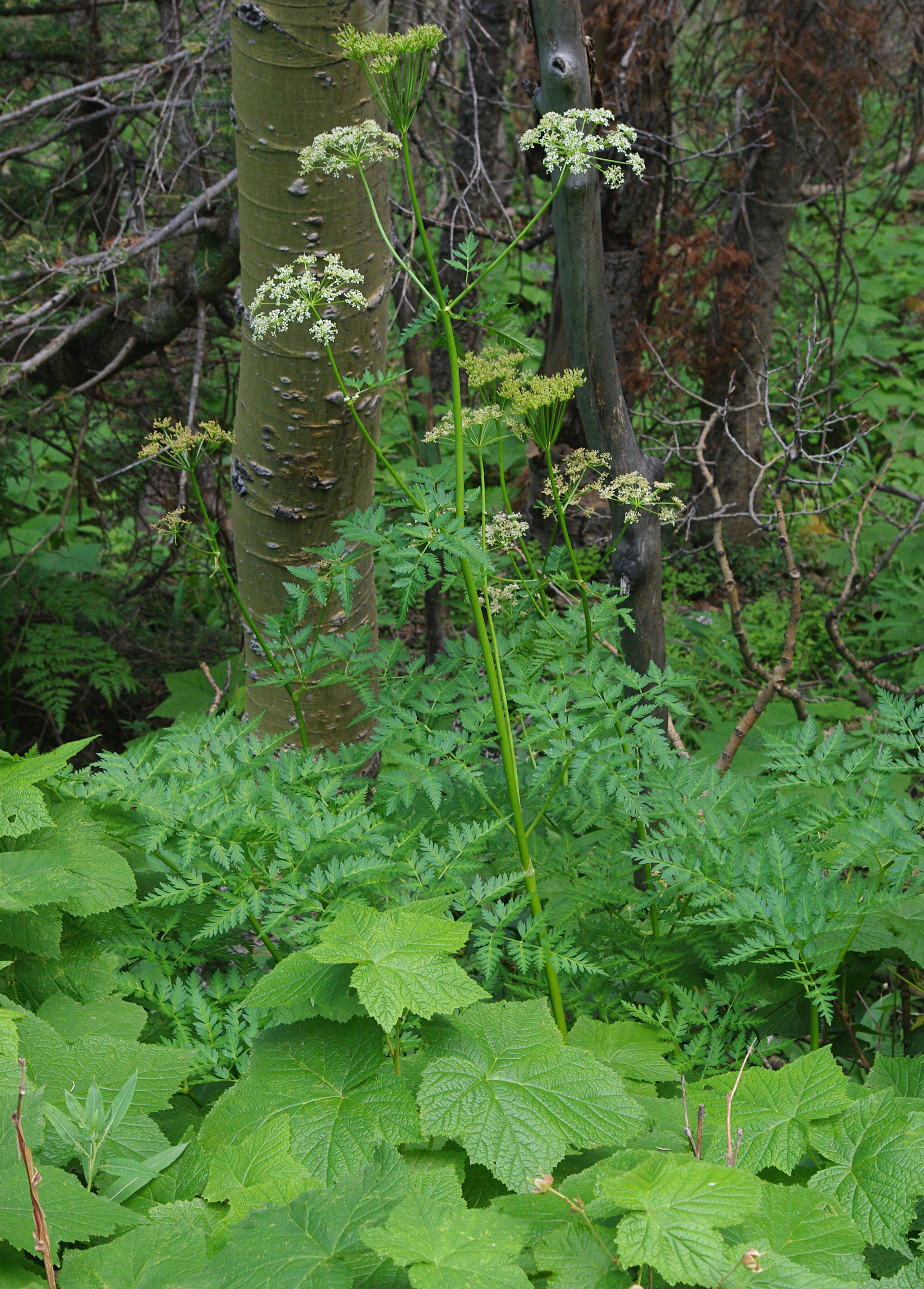
Overview
Respiratory infections (acute): sore throat, cough, bronchitis, common cold, influenza; used as an upper respiratory stimulant/expectorant support. Digestive support for indigestion / upper digestive weakness. Topical use: wound/infection prevention in minor skin wounds (as noted in page).
Plant family
Apiaceae / Umbelliferae
Parts used
Root
Actions
Expectorant · Diaphoretic · Diuretic · Antispasmodic · Tonic
Affinities
Respiratory · Digestive
Body systems
Respiratory · Digestive
Tissue states
Traditional use
Traditional purifying tonic; used ceremonially in some Native American contexts. Internal folk uses listed: eruptive fevers, bronchial infections, digestive complaints, toothache, painful menstruation, retained placenta; historical use noted for TB and headaches. External infusion used for body aches.
Current use
Respiratory infections (acute): sore throat, cough, bronchitis, common cold, influenza; used as an upper respiratory stimulant/expectorant support. Digestive support for indigestion / upper digestive weakness. Topical use: wound/infection prevention in minor skin wounds (as noted in page).
Preparation
Tincture; commonly included in multi-ingredient products.
Dosage guidance
Tincture (1:2 fresh root or 1:5 dried root): 20–60 drops, 5x daily.
Cautions & contraindications
Pregnancy: contraindicated (stimulates menstruation; abortifacient activity). Lactation: insufficient information; avoid. AHPA Class 2b (not to be used during pregnancy).
Evidence notes
Page notes state preliminary antiviral/antimicrobial mechanisms (e.g., ligustilide; viral protease inhibition; influenza inhibition) but also note no published animal/human studies supporting these uses. Conservation/ethical sourcing is a major consideration; pregnancy contraindicated per safety notes.