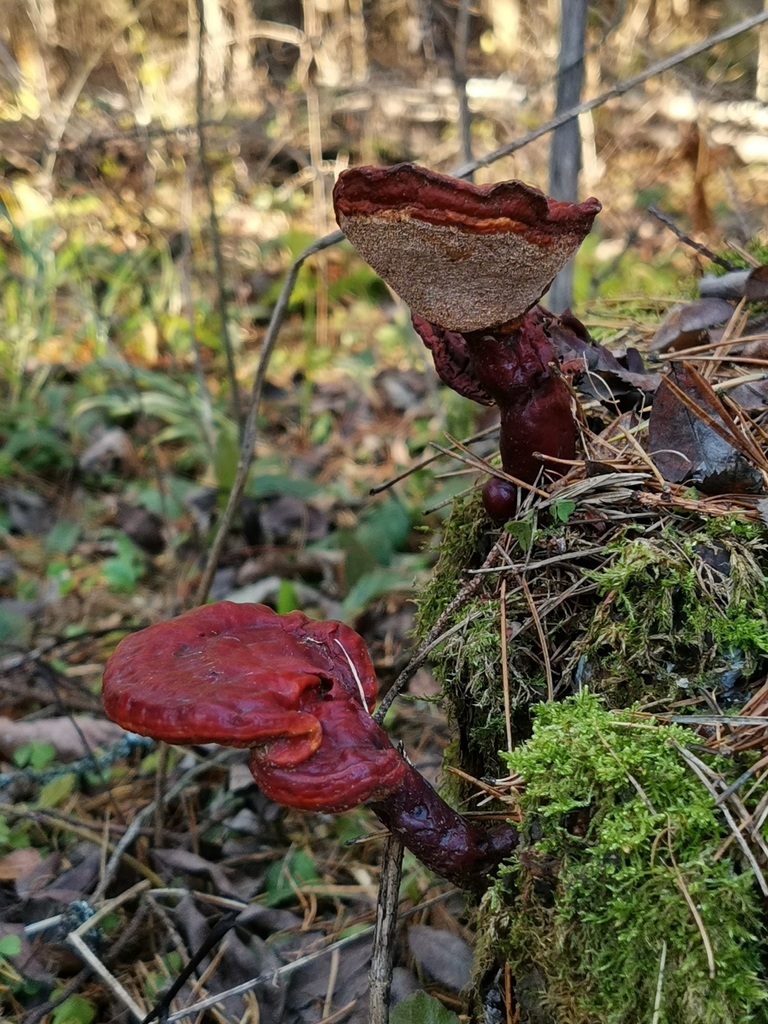
Overview
Immune modulation and adjunct support in chronic disease states (as described); supportive use lists include fatigue, insomnia, asthma/cough/bronchial disease, hypertension/cardiovascular support, chronic hepatitis/liver disease, inflammatory disease, and supportive therapy during chemotherapy (as listed).
Plant family
Ganodermataceae
Parts used
Fruiting body and mycelium
Actions
Adaptogen · Tonic · Anti-inflammatory
Affinities
Immune · Cardiovascular · Respiratory · Nervous
Body systems
Immune · Cardiovascular · Respiratory · Nervous
Taste profile
Bitter
Tissue states
Traditional use
Traditional East Asian use (4000+ years per page) for liver disorders, hypertension, and arthritis; longevity/vitality tonic and meditative calm support in historical context.
Current use
Immune modulation and adjunct support in chronic disease states (as described); supportive use lists include fatigue, insomnia, asthma/cough/bronchial disease, hypertension/cardiovascular support, chronic hepatitis/liver disease, inflammatory disease, and supportive therapy during chemotherapy (as listed).
Dosage guidance
Raw mushroom: 2-6 g/day. Powder: 1-1.5 g/day. Tincture: 1 mL/day. Postherpetic neuralgia: 32-72 g hot water extract/day. Cancer: 600-1800 mg as Ganopoly capsules 3x daily for up to 12 weeks.
Cautions & contraindications
Insufficient info for pregnancy/lactation — avoid use. Unsafe with mushroom allergies. May have hypotensive activity; may worsen hypotension or interfere with blood pressure drugs. May increase bleeding risk with thrombocytopenia. Extended use (3-6 months): rare dryness (mouth, throat, nasal), itchiness, stomach upset, nosebleed, bloody stools. AHPA Class 1.
Evidence notes
Evidence base described as mixed: substantial preclinical research and some human clinical use in oncology contexts (often as adjunct). Safety cautions include hypotension and bleeding-risk interactions; side effects more likely with extended use (3–6 months).