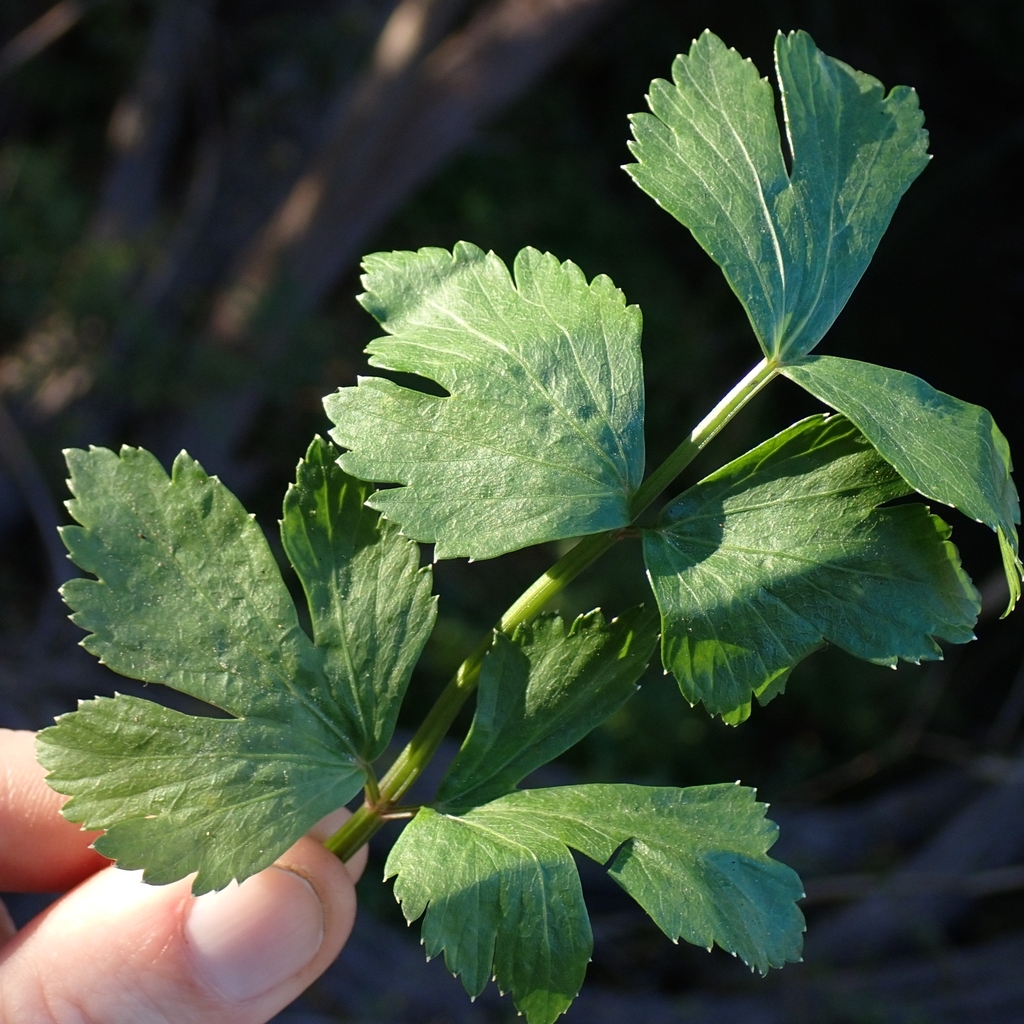
Overview
Celery is a familiar kitchen plant, and its root, stalks and leaves, and especially its seeds, have a long history in folk herbalism. The seed has traditionally been used as a gentle diuretic, meaning it increases urine flow, and for gout, joint aches and digestion. I want to be honest that, in my studies, these uses are not well documented in human trials.
Plant family
Apiaceae
Parts used
Seed (fruit), root, and herb (stalks and leaves); pressed juice of the fresh plant.
Actions
Diuretic · Anti-inflammatory · Antirheumatic · Carminative · Sedative · Urinary Antiseptic · Antispasmodic · Hypotensive
Body systems
Urinary
Taste profile
Aromatic, slightly bitter and pungent (seed); salty-green and fresh (stalk).
Energetics
Cooling and drying (bitter-aromatic).
Traditional use
Traditionally used as a diuretic and urinary antiseptic, for 'blood purification', to keep the bowels regular, and for rheumatism, gout, stones, headache, poor appetite, exhaustion, nervousness and 'hysteria'. It was also used as a digestive aid and to relieve gas, to bring on menstruation, to reduce breast milk, as an aphrodisiac and as an insect repellent.
Current use
Celery seed is still popular in herbal practice for gout and arthritic aches, as it is thought to help the body clear uric acid, and for mild fluid retention. Lab and animal work suggests its phthalides (the compounds that give celery its smell, such as 3-n-butylphthalide and sedanolide) have sedative, diuretic, antispasmodic and anti-inflammatory effects, and celery plant extracts have shown blood-pressure-lowering and blood-sugar-lowering effects. Celery also contains apigenin, which has anti-platelet activity. Human evidence remains limited, and Germany's Commission E did not approve celery for therapeutic use.
Preparation
Seed (botanically the small dried fruit): the part most used in herbal medicine, chosen for gout, joint aches, fluid retention and nervous unrest, because it holds the most aromatic oil and phthalides. It is crushed just before use and simmered briefly as a tea, or taken as a liquid extract; its activity is said to depend on processing it at low temperatures. Root and herb (stalks and leaves): eaten as food, or pressed fresh into juice, and used more as a mild diuretic and mineral-rich food (calcium, magnesium, iron) than as strong medicine.
Dosage guidance
Seed: 0.5-2 g of dried seed three times a day, or a tea made by simmering 1 g of freshly crushed seed in 5 oz of water for 5-10 minutes, three times a day. Liquid extract (1:1 in 60% alcohol): 0.3-1.2 mL three times a day. Food amounts of the stalks and root are safe for most people.
Cautions & contraindications
Celery can cause allergic reactions, including severe anaphylaxis (celery-carrot-mugwort syndrome), with possible cross-reaction to carrot, dandelion and wild carrot. It contains furanocoumarins such as bergapten and psoralens, especially in the root and in diseased stalks. These compounds slip between the strands of DNA in skin cells, and when sunlight (UVA) hits them they bond to the DNA and cross-link it, damaging the cells and causing a burn-like rash, blisters and lasting dark patches; this is why grocery workers who handle celery can burn in the sun. Please avoid strong sun after handling large amounts or taking concentrated preparations. My studies note celery is contraindicated with kidney disorders, as concentrated seed and oil may irritate inflamed kidneys. Food amounts are fine in pregnancy and breastfeeding, but please avoid the seeds and oil in medicinal amounts, which may stimulate the uterus. Large amounts of seed oil may depress the central nervous system. It may add to the effect of blood thinners, blood-pressure and diabetes medicines, sedatives and diuretics.
Evidence notes
From Winter's HERB304 notes (M1 A-C): German Commission E monograph via the American Botanical Council, which lists celery as unapproved.