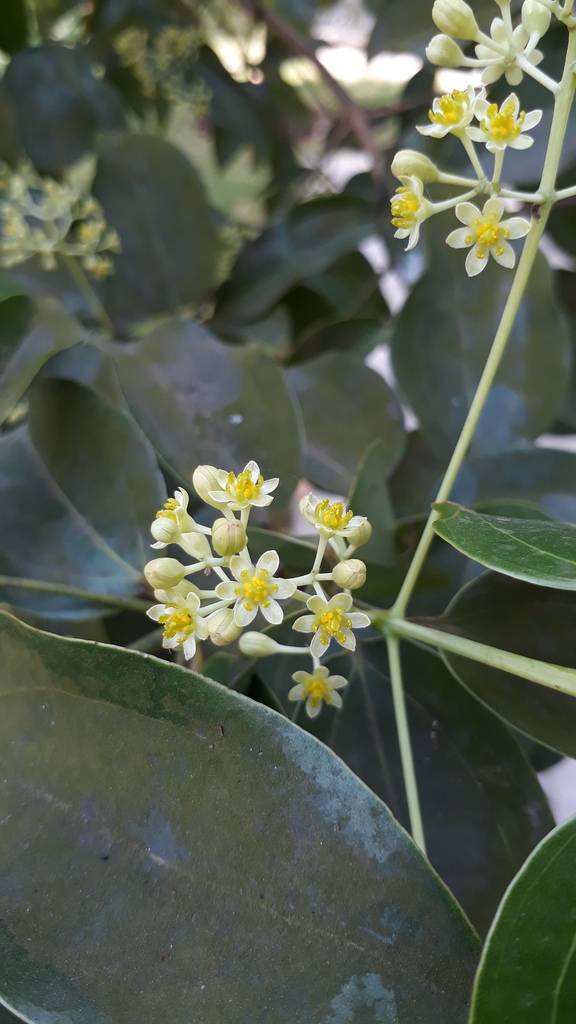
Overview
Cinnamon is the warming, sweet and spicy inner bark of several tropical trees in the laurel family, the familiar winter spice that partners nutmeg, clove and anise. Beyond the kitchen, it has a long history as a digestive herb, and its scent is associated with lifting the mood. 'Cinnamon' on a shop shelf may be true Ceylon cinnamon or cassia, and the difference matters for safety.
How it compares: Ceylon (true) cinnamon and cassia are close relatives and taste similar, so in a recipe they are interchangeable. For medicine they share the same warming, carminative, digestive actions, because both are rich in cinnamaldehyde. The big difference is coumarin: cassia contains roughly 3,000 mg per kg on average (and up to 10,000), while Ceylon contains hardly any. That makes Ceylon the better choice for anything taken daily or in larger amounts, such as blood-sugar support, while cassia is fine as an occasional kitchen spice. Cassia is stronger and hotter in flavour; Ceylon is sweeter, more delicate and crumbly.
Plant family
Lauraceae
Parts used
Inner bark (main part); also flower buds and twigs.
Actions
Carminative · Antispasmodic · Antimicrobial · Aromatic · Stimulant · Astringent · Antiemetic · Antidiarrheal · Antifungal · Antibacterial · Hypoglycemic · Antioxidant
Body systems
Digestive
Taste profile
Spicy, burning, somewhat sweet and faintly mucilaginous (slippery), with a warm aromatic scent.
Energetics
Warming and drying.
Traditional use
Cinnamon has traditionally been used as a culinary winter spice and for gas, digestive and muscle spasms, nausea and vomiting, diarrhea, colds and poor appetite, as well as for rheumatic aches (achy, stiff joints and muscles), bed-wetting, menstrual and menopausal complaints and absent periods. Historically it was also used, unsafely, to try to bring on miscarriage.
Current use
Cinnamon is approved by Germany's Commission E and described by ESCOP for loss of appetite and for mild indigestion with bloating, gas and cramping. It is also taken for nausea, diarrhea and as a warming herb for colds. Research, mostly small human trials plus laboratory and animal studies, is exploring how it may support healthy blood sugar and insulin response in type 2 diabetes; the results are mixed and it is not a replacement for medical care. In the lab, cinnamon extracts and their main compounds, cinnamaldehyde and eugenol, are active against a range of gut and respiratory bacteria. On the outside of the body it is used in mouthwashes, toothpastes, nasal sprays and warming liniments (rubs), and its essential oil is used in aromatherapy for mood. One research curiosity from my studies: cinnamon's familiar scent has been used in smell tests that help detect loss of smell in early Parkinson's disease.
Preparation
The dried inner bark is the main part used; the flower buds (cassia buds) and twigs are also used, especially in Chinese medicine, where the twig is considered lighter and more warming to the surface of the body and the bark deeper and more warming to the core. Each part has a different main aromatic compound: the bark oil is rich in cinnamaldehyde, the leaf oil in eugenol, and the root-bark oil in camphor, which is why bark is the part chosen for digestive teas. For tea, steep 0.5 to 1 g of bark in 150 mL of boiling water for 5 to 10 minutes, then strain. A liquid extract (1:1 in 70% alcohol) is also used. Cinnamon is a lovely warming addition to blends and cordials, such as a hawthorn berry cordial. For regular or larger use, I would recommend Ceylon cinnamon rather than cassia.
Dosage guidance
Tea: 1 cup three times a day. Liquid extract: 0.5 to 1 mL three times a day. Please keep to a maximum of 2 to 4 g of bark per day (or 1 to 4 drops, 0.05 to 0.2 g, of essential oil, only under professional guidance) and use it short-term, for no longer than six weeks. If you use cinnamon daily, choose Ceylon cinnamon: a teaspoon or two of cassia a day can exceed the European safe intake for coumarin, especially for smaller adults and children.
Cautions & contraindications
Cinnamon is considered likely safe in food amounts and slightly larger. Cassia cinnamon contains a lot of coumarin, while Ceylon cinnamon contains very little. Coumarin is broken down in the liver, and in some people this produces reactive by-products that can inflame and damage liver cells; the European Food Safety Authority set a tolerable daily intake of 0.1 mg per kg of body weight because of this, so please avoid concentrated cassia products if you have liver disease. Please use caution if you have heart disease or high or low blood pressure, as some of its compounds may slow the heart rate and lower blood pressure. Please also use caution with diabetes medicines, as it may add to their blood-sugar-lowering effect. Animal studies suggest long-term use may lower platelet counts (platelets help your blood clot). Please avoid it if you have a known allergy to cinnamon, the laurel family or balsam of Peru; cinnamaldehyde is a common skin sensitiser and contact dermatitis (an itchy rash) and mouth sores have occurred. I don't recommend medicinal amounts during pregnancy or breastfeeding because there isn't enough data.
Evidence notes
From Winter's HERB304 notes (M2 - C-E), drawing on the Natural Medicines Database monograph.