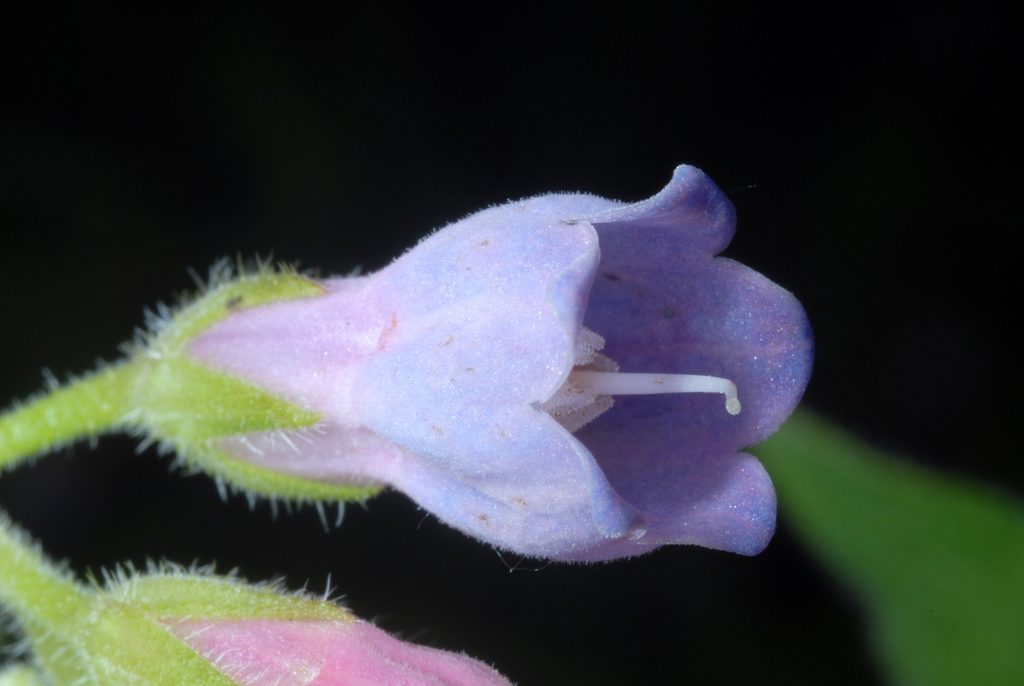
Overview
Comfrey is a big, bristly-leaved member of the borage family whose leaves and roots are full of mucilage, a soothing, slippery substance, and allantoin, a compound that encourages new cells to grow. Its old name, knitbone, tells you how long it has been trusted for bruises, sprains and injured tissue. This one I genuinely love, and I keep it strictly on the outside of the body, because it also carries alkaloids that can harm the liver.
Plant family
Boraginaceae
Parts used
Leaf and root, external use only.
Actions
Vulnerary · Demulcent · Emollient · Astringent · Anti-inflammatory · Cell Proliferant · Analgesic
Affinities
Skin · Bones · Connective tissue
Body systems
Integumentary · Musculoskeletal
Taste profile
Sweet, mucilaginous and slightly astringent (puckering); the dried leaf smells faintly of black tea and grass.
Energetics
Cooling and moistening.
Tissue states
Dry
Traditional use
Comfrey was traditionally laid on as a poultice for bruises, sprains, sores, ulcers, varicose veins and broken bones. Boiled root makes a sticky paste that hardens as it cools, and it was once used as a rough cast over broken limbs. Historically it was also taken by mouth as a demulcent (soothing to inflamed membranes) and astringent for stomach and duodenal ulcers, coughs, bronchitis and slow bleeding, and older herbals such as Hoffmann's paired it with marshmallow and chamomile for ulcers. That internal use has been abandoned because of its liver toxicity, and I do not recommend it.
Current use
Today comfrey is used externally, on unbroken skin, in salves, creams, oils and poultices to ease bruises, sprains, strains, muscle and joint pain. Clinical trials of comfrey root creams have found real relief for ankle sprains, back pain and knee osteoarthritis. Allantoin (which encourages cell renewal) and rosmarinic acid (an anti-inflammatory) are the constituents most credited for these effects, with the mucilage soothing and protecting the skin. In my own practice I have laid a comfrey leaf poultice over a deep bruise, applied a hot compress of root decoction to my back for old injury pain, and I love a comfrey root oil blended with lavender and rosemary for bruises, sprains and sore muscles, tendons and ligaments.
Preparation
External use only. Leaf: fresh or dried leaf is crushed or moistened with a splash of hot water and laid on as a poultice, or infused into oil for salves; the leaf is the gentler choice and holds fewer alkaloids than the root. Root: the root is richest in mucilage and allantoin, so it is chosen for stronger tissue-repair preparations: soak the chopped root in cold water for several hours, then simmer it briefly to make a thick decoction for a fomentation (a cloth soaked in the warm decoction and laid over the area), or infuse the dried root in oil for a salve or massage oil. Comfrey blends well with calendula and lavender for bruises and swelling, and with lavender and rosemary in an oil for sprains and strains. Applying the oil, keeping the area warm for a few minutes, then resting it, is a simple routine.
Dosage guidance
Not for internal use. Apply externally to unbroken skin only. Germany's Commission E advised limiting external use to no more than 4 to 6 weeks a year, with a daily exposure of no more than 100 micrograms of pyrrolizidine alkaloids; choosing PA-reduced or PA-free comfrey products keeps you well under that.
Cautions & contraindications
EXTERNAL USE ONLY, on unbroken skin. Comfrey contains pyrrolizidine alkaloids (PAs) such as symphytine and echimidine. The liver converts these into highly reactive compounds (pyrroles) that bind to and damage the cells lining the liver's small veins; the veins swell shut (hepatic veno-occlusive disease, also called sinusoidal obstruction syndrome), and repeated exposure can lead to liver failure or cirrhosis. The roots and young leaves hold the most PAs. Please never take comfrey by mouth, never use it on open wounds or broken skin (where it can be absorbed), and avoid long-term use. Avoid it entirely in pregnancy and breastfeeding (PAs can cross the placenta and reach breast milk), with liver disease, and with young children. Do not combine it with other PA-containing herbs (borage, coltsfoot, butterbur, gravel root, boneset) or with things that strain the liver. The US, Canada, the UK, Australia and Germany restrict oral comfrey. Its leaves have been confused with poisonous foxglove, so be certain of your plant.
Evidence notes
Winter's HERB302 (Demulcent Herbs) page holds only the course template (name, Latin, family). Web-sourced seed pending Winter's review. Sources: Plants For A Future (https://pfaf.org/user/Plant.aspx?LatinName=Symphytum+officinale); NIEHS National Toxicology Program, Comfrey review (https://ntp.niehs.nih.gov/sites/default/files/ntp/htdocs/chem_background/exsumpdf/comfrey_508.pdf)