Overview
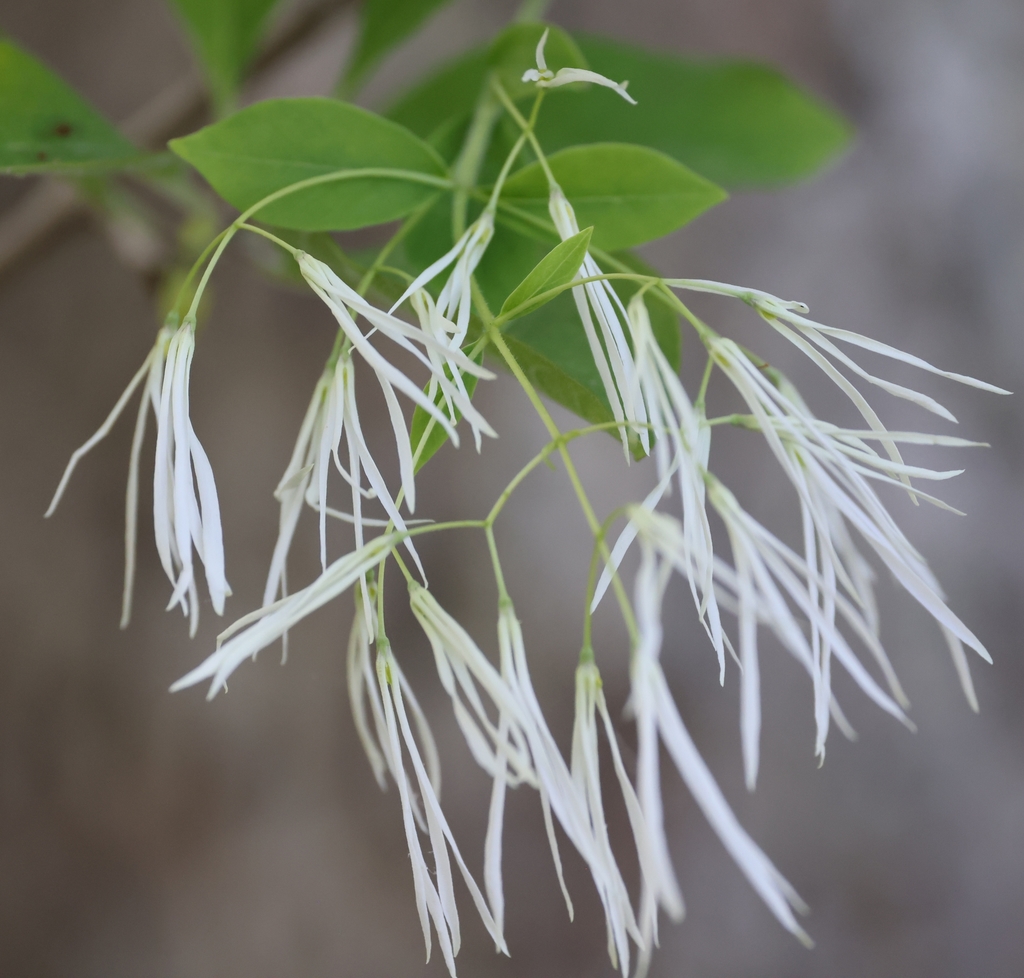
Fringe tree is a small North American tree of the olive family, named for its snowy, fringe-like white blossoms in late spring. Its bitter root bark is prized in Eclectic and Western herbalism as a gentle remedy for the liver and gallbladder and for healthy bile flow. It is little studied by modern science, so it is best used thoughtfully.
Plant family
Oleaceae
Parts used
Root bark.
Actions
Bitter · Cholagogue · Hepatic · Alterative · Diuretic · Tonic · Laxative
Affinities
Liver · Gallbladder
Body systems
Digestive · Urinary
Taste profile
Bitter and odorless.
Energetics
Cooling, in keeping with its bitter taste.
Traditional use
The Eclectic physicians of 19th-century America considered fringe tree one of their chief remedies for liver and gallbladder complaints, including jaundice, gallstones and liver congestion with pain under the right ribs, and for headaches linked to poor digestion. Native peoples applied the bark to wounds and sores.
Current use
Fringe tree is used to support liver and gallbladder function and the flow of bile (the digestive fluid that helps us break down fats). Herbalists consider it for sluggish digestion of fats, a tendency to gallbladder congestion and liver-related digestive discomfort. It is also used as a mild diuretic, meaning it increases urine flow, and as a tonic. Modern clinical research is lacking, so this rests on traditional and practitioner experience.
Preparation
The dried root bark is taken as a liquid extract or tincture, or simmered as a decoction (a tea made by gently boiling the bark).
Dosage guidance
Traditional practitioner doses are about 1 to 2 mL of a 1:5 tincture up to three times daily, or a decoction of about 1 to 2 g of root bark daily. Please work with a practitioner, as there is no modern standardized dose.
Cautions & contraindications
There is not enough reliable information on fringe tree's safety, so please avoid it during pregnancy and breastfeeding. Because it stimulates bile flow, please don't use it if you have a blocked bile duct, and check with your provider if you have gallstones. No adverse effects or drug interactions have been reported, but it has been little studied. Please don't confuse it with traveler's joy, usnea or woodbine, which share the folk name 'old man's beard'.
Evidence notes
From Winter's HERB304 notes (M1 A-C), Natural Medicines Database-style monograph. Page title spells the genus 'Chioanthus'; body gives Chionanthus.