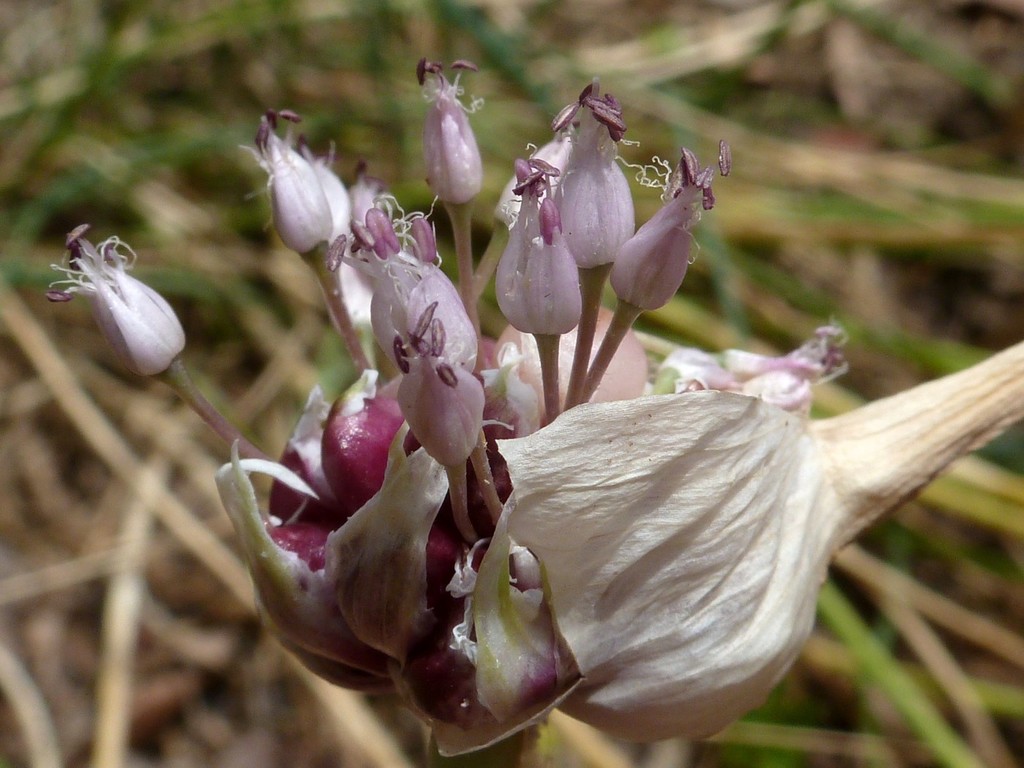
Overview
Garlic is the familiar kitchen bulb with a strong, sharp, warming bite, and one of the oldest recorded medicines, used by the Sumerians, Egyptians, Greeks and Chinese alike. It is a broad-spectrum ally for the immune system, the respiratory tract, the heart and blood vessels, and the gut. How you prepare it changes what it does best.
Plant family
Liliaceae
Parts used
Bulb (the below-ground cloves).
Actions
Antimicrobial · Antiviral · Antifungal · Anthelmintic · Expectorant · Diaphoretic · Hypotensive · Hypolipidemic · Antiplatelet · Cholagogue · Antispasmodic · Carminative · Immune stimulant
Body systems
Immune · Respiratory · Cardiovascular
Taste profile
Dry, it tastes sharp, spicy-pungent and somewhat bitter, the pungency lingering and leaving a clean, fresh feeling. As an infusion it turns warm and savory (umami), like fried garlic with a faint raw zing.
Energetics
Warming and drying (pungent).
Traditional use
Records from about 3000 BC describe garlic for fevers, infections, diarrhea, joint pain and sprains, and it was later honored in Egyptian, Greek, Roman and Chinese medicine. Folk tradition used it widely for colds and coughs, worms, wounds and as a general protective food. A garlic and onion honey is an odd-sounding but traditional remedy for coughs, colds and flu.
Current use
Garlic is used to support the immune system and the upper respiratory tract during colds, flu, coughs, bronchitis and congestion. For circulatory and cardiovascular health it is eaten regularly in food, and research suggests garlic can modestly lower blood pressure and cholesterol and reduce platelet stickiness. It is also one of the classic anthelmintics, meaning herbs used against intestinal worms, and is studied for its antimicrobial and antifungal activity.
Preparation
Raw and crushed: crushing or chopping garlic and letting it sit for about 10 minutes allows allicin, its main antimicrobial compound, to form; this is the form used for infections and worms. For worms, raw cloves are used in raw preparations such as pesto, and some herbalists give the juice of raw, peeled cloves first thing in the morning on an empty stomach, before eating. Cooked and dried: for the heart and circulation, garlic is best enjoyed regularly as a culinary spice, dried and powdered or fresh in food; add it near the end of cooking, since brief cooking keeps much of its value while long cooking reduces it. Honey: crushed garlic and onion steeped in honey makes a traditional cough and cold syrup, and adding ginger rounds out its warmth. An infusion of dried garlic is warm and savory. Aged garlic extract and oil capsules are also available.
Dosage guidance
As food, about 1 to 3 fresh cloves a day (roughly 2 to 5 g). Hoffmann suggests about three cloves daily, or oil capsules three times daily during infection. Anthelmintic programs are traditionally given in cycles (for example 10 days on, 7 days off, 10 days on). Please follow a practitioner's guidance for worm protocols.
Cautions & contraindications
Garlic is very safe as food. In medicinal amounts it may increase bleeding risk, especially with warfarin, aspirin and other blood thinners or herbs like ginkgo; why: compounds such as ajoene and allicin make platelets less sticky, so blood clots more slowly. Please stop concentrated garlic about 7 to 10 days before surgery. Garlic supplements can lower blood levels of some medicines, notably the HIV drug saquinavir, by speeding up how the liver and gut clear them. Raw garlic can cause heartburn, wind, nausea and bad breath and body odor, and raw garlic left on the skin can cause chemical burns. Avoid medicinal doses if you have bleeding disorders; food amounts are fine in pregnancy and breastfeeding.
Evidence notes
From Winter's own organoleptic assessment in HERB202 (Module 2) and HERB302 module pages (Cardiovascular Support & Alterative Herbs; Anthelmintic Herbs) giving Latin name and family.